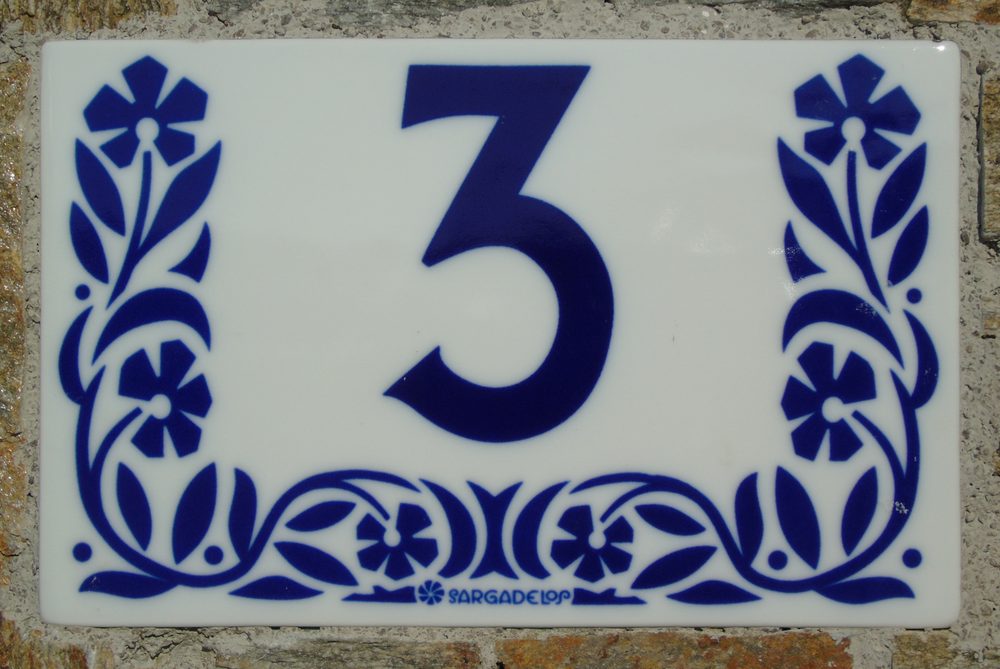
Photo: Fernando Losada Rodríguez / Wikimedia Commons (CC BY-SA 4.0)
Spanish numbers from 1 to 100 follow regular, learnable patterns once you know three rules: 16 to 19 and 21 to 29 are single contracted words (dieciseis, veintidos), 31 and above are written as three words joined by y (treinta y uno), and uno shortens to un or una depending on the gender of whatever it is counting. Cien means exactly 100, but switches to ciento the moment any smaller number follows it, as in ciento uno for 101. This guide works through every number from 1 to 100 with the rules behind each one.
Short answer: 1 to 10 are uno through diez, 11 to 15 have unique words, 16 to 19 and 21 to 29 are one-word contractions (dieciseis, veintidos), and 31 upward are three separate words joined by y (treinta y uno). 100 is cien alone, but ciento before any added digit, such as ciento uno.
| Number | Spanish | Pronunciation |
|---|---|---|
| 1 | uno | OO-no |
| 2 | dos | dos |
| 3 | tres | tres |
| 4 | cuatro | KWAH-tro |
| 5 | cinco | SEEN-ko |
| 6 | seis | says |
| 7 | siete | see-EH-teh |
| 8 | ocho | OH-cho |
| 9 | nueve | NWEH-beh |
| 10 | diez | dee-ESS |
| 11 | once | ON-seh |
| 12 | doce | DOH-seh |
| 13 | trece | TREH-seh |
| 14 | catorce | ka-TOR-seh |
| 15 | quince | KEEN-seh |
| 16 | dieciseis | dee-eh-see-SAYS |
| 17 | diecisiete | dee-eh-see-see-EH-teh |
| 18 | dieciocho | dee-eh-see-OH-cho |
| 19 | diecinueve | dee-eh-see-NWEH-beh |
| 20 | veinte | BAYN-teh |
1 through 10 are each their own word, with no shortcuts, so this first block is usually just memorised directly. 11 through 15 are also standalone words, once, doce, trece, catorce and quince, and while a few faintly echo their base number (trece and tres, for example), there is no reliable pattern to lean on here either.
16 through 19 are where the first real pattern appears. Dieciseis began life centuries ago as diez y seis, ten and six, and the same is true for diecisiete, dieciocho and diecinueve. Spanish eventually fused each phrase into a single written word, which is why they look longer than 11 through 15 but are actually more logical once you see the diez y pattern hiding inside them.
Veinte, twenty, is its own standalone word again, not a compound, which makes it a clean marker between the teens block and the twenties block that comes next.
| Number | Spanish | Pronunciation |
|---|---|---|
| 21 | veintiuno | bayn-tee-OO-no |
| 22 | veintidos | bayn-tee-DOS |
| 30 | treinta | TRAYN-tah |
| 40 | cuarenta | kwah-REN-tah |
| 50 | cincuenta | seen-KWEN-tah |
| 60 | sesenta | seh-SEN-tah |
| 70 | setenta | seh-TEN-tah |
| 80 | ochenta | oh-CHEN-tah |
| 90 | noventa | no-BEN-tah |
| 100 | cien | see-EN |
21 through 29 work exactly like 16 through 19, just one decade up. Veintiuno began as veinte y uno, twenty and one, and the whole phrase contracted into a single word, the same process that produced veintidos, veintitres and the rest of the twenties. This is the last decade where that contraction happens.
From 31 onward, the pattern changes, and this is the single most common mix up for beginners. Treinta y uno, thirty one, stays as three separate words with y written out in full, and every compound number from here to 99 follows the same shape: cuarenta y dos, forty two, noventa y nueve, ninety nine. The contraction that happened at 16 to 19 and 21 to 29 simply does not happen again.
100 itself is cien, a short, standalone word. If you have already seen the Spanish number glossary pages for individual numbers like forty or sixteen, this is the page that ties the whole system together in one place rather than one number at a time.
These three points cause more real mistakes than anything in the numbers 1 to 20 covered above, mostly because English has no equivalent grammar to compare them to. A number can be completely correct sitting on its own and still sound wrong the moment it meets a noun, which is exactly why a native speaker will notice these slips faster than almost any other beginner error.
None of these three rules is unique to numbers, they are the same gender and agreement rules that apply across Spanish grammar generally, which is partly why they feel more manageable once you have met them once outside of counting too.
All three rules can stack together once a number gets larger. Doscientas treinta y una personas, two hundred and thirty one people, applies the hundreds agreement to doscientas, the standard y pattern to treinta y una, and the uno to una shift, all inside one phrase. It is a useful sentence to practise out loud once each rule feels solid on its own.
Age in Spanish uses tener, to have, rather than to be, so tengo treinta años literally means I have thirty years, not I am thirty, even though it translates naturally as age in English. This is a common early mistake, since English speakers instinctively reach for a form of to be instead.
Prices work more simply, the number sits directly in front of the currency word, as in veinte dolares for twenty dollars or cien euros for a hundred euros, with the uno to un or una shift applying if the price happens to end in one.
Phone numbers in Spanish are usually read out in pairs or individually depending on the country, but the numbers themselves do not change. The number words from uno to cien are identical whether you are in Spain or across Latin America, even though a few other everyday words, like the regional split between marron and cafe for brown, do vary by country.
A full count from 1 to 100 is a lot to hold at once, so it helps to treat this as three smaller learning blocks rather than one long list: 1 to 20 first, since those are the words everything else builds from, then the tens, treinta through noventa, and finally the three rules above, which apply no matter how high the number goes.
This is the kind of real-context repetition the Noun Town language learning game is built around, attaching numbers to actual 3D scenes, prices at a market stall, ages of characters, quantities of objects, with native speaker audio and spaced repetition bringing each one back for review automatically rather than leaving a flat list to memorise alone.

Screenshot from the Noun Town Steam store page, showing a timed recall challenge
Testing yourself against the clock on numbers you have just learned, rather than passively re-reading the tables above, is a genuinely effective way to make them stick. Numbers are a particularly good fit for this kind of active recall, since there are clear right and wrong answers, and the three grammar rules covered here only really become automatic once you have been forced to produce them under a little time pressure a few times.
Want to learn these numbers and hundreds of other Spanish words in context? Try the free demo on Steam.
Try Noun Town on Steam1 to 10 in Spanish is uno, dos, tres, cuatro, cinco, seis, siete, ocho, nueve, diez. Each of these is its own standalone word, with no pattern to build from yet, so they are usually the first set most learners memorise before moving on to the teens.
11 to 15 each have their own unique word, once, doce, trece, catorce, quince, and do not follow an obvious pattern. From 16 to 19, dieciseis, diecisiete, dieciocho and diecinueve are one-word contractions of diez y, ten and, plus the unit. 20 is veinte, its own standalone word.
Both ranges are historical contractions. Dieciseis began as diez y seis, ten and six, and veintidos began as veinte y dos, twenty and two, and over time Spanish merged each phrase into a single written word. From 31 onward, the same y still appears, but it stays as three separate words, such as treinta y uno.
Cien is used for exactly 100 on its own, or directly before a noun or a larger unit like mil, as in cien dolares or cien mil. Ciento is used whenever a smaller number follows it, such as ciento uno for 101 or ciento veinte for 120, with no y directly after ciento itself.
Uno shortens to un before a masculine noun and becomes una before a feminine noun, the same gender agreement every Spanish adjective follows. This also applies inside larger numbers ending in one, so treinta y un libros, thirty one books, and treinta y una casas, thirty one houses, both drop the o from uno.
200 is doscientos, 300 is trescientos, 400 is cuatrocientos, 500 is quinientos, 600 is seiscientos, 700 is setecientos, 800 is ochocientos and 900 is novecientos. Quinientos and novecientos are the two irregular ones, since they are not built directly from cinco and nueve the way the others are from their base number.
Yes. From 31 onward, every compound number is written as three separate words joined by y, such as treinta y uno, cuarenta y dos, or noventa y nueve. This is different from 16 to 29, which are written as single contracted words with no visible y at all.
Age uses tengo, I have, followed by the number and años, years, so tengo treinta años means I am thirty. Prices simply follow the number with the currency word, such as veinte dolares for twenty dollars, with no special grammar beyond the uno to un or una shift if the number ends in one.
The number words themselves are identical across every Spanish speaking country. What can vary slightly is how numbers are grouped in writing, since some countries use a period where others use a comma to separate thousands, but the spoken words from uno to cien do not change by region.
Yes, especially for the three rules covered here, since seeing un libro next to una casa in an actual scene makes the gender agreement click faster than memorising a grammar rule in the abstract. Repeated, spaced exposure to numbers in real contexts, prices, ages, quantities, reinforces both the word and when to use it.
Further reading: the Wikipedia entry on Spanish grammar covers gender and number agreement, the rule behind un, una, doscientos and doscientas, in much more depth. The Real Academia Española is the official authority on standard Spanish usage, including numeral spelling, and the Instituto Cervantes promotes Spanish language and culture internationally. The Wikipedia article on Spanish orthography explains the accent-mark rules behind words like dieciseis and veintidos.
← Back to blog