Home › Japanese › Glossary › to play (the drums)
Japanese vocabulary · Beginner
How do you say "to play (the drums)" in Japanese?
弾く
hajiku
In Japanese, "to play (the drums)" is 弾く (hajiku).
Listen to the pronunciation:
Free Japanese learning game. No sign-up, play in browser. See all games
Pronunciation
弾く is written using kanji. Romanised as hajiku, it sounds roughly like "hah-jee-koo" to an English ear.
Writing and usage
The kanji 弾 originally depicted a hand plucking a bowstring or striking, now used for playing string and percussion instruments.
Example sentence
私は毎日弾きます。
Watashi wa mainichi hajikimasu.
I to play (the drums) every day.
Test your Japanese knowledge in our free browser games.
How to remember 弾く
A hand striking or plucking. Picture fingers moving quickly to strike drum skins or pluck strings.
Related words
- switch off 消す kesu
- work 働く hataraku
- end 終わる owaru
- wash 洗う arau
- find 見つける mitsukeru
- open 開ける akeru
- insert 入れる ireru
- ask 質問をする shitsumon o suru
- shoot 撃つ utsu
Browse all Japanese words in the glossary.
Questions about 弾く
How do you pronounce 弾く?
弾く is romanised as hajiku. Say it roughly like "hah-jee-koo" in English. Each Japanese syllable has even weight, so keep the rhythm steady.
Is 弾く formal or casual?
弾く is a neutral, everyday word that works in both casual and polite speech. The level of formality comes from the sentence structure around it, not from the word itself.
How is 弾く written in Japanese?
弾く is written using kanji. The kanji 弾 originally depicted a hand plucking a bowstring or striking, now used for playing string and percussion instruments..
Where can I practice Japanese words for free?
You can play free Japanese minigames in your browser on the Noun Town online games page, with no sign-up needed. Every word in the Japanese glossary also has native audio and an example sentence you can revisit any time.
"To play (the drums)" in other languages
Curated by Jack Ratcliffe
This word is part of the vocabulary taught in the Japanese language learning game Noun Town, where words are introduced through play rather than memorisation.
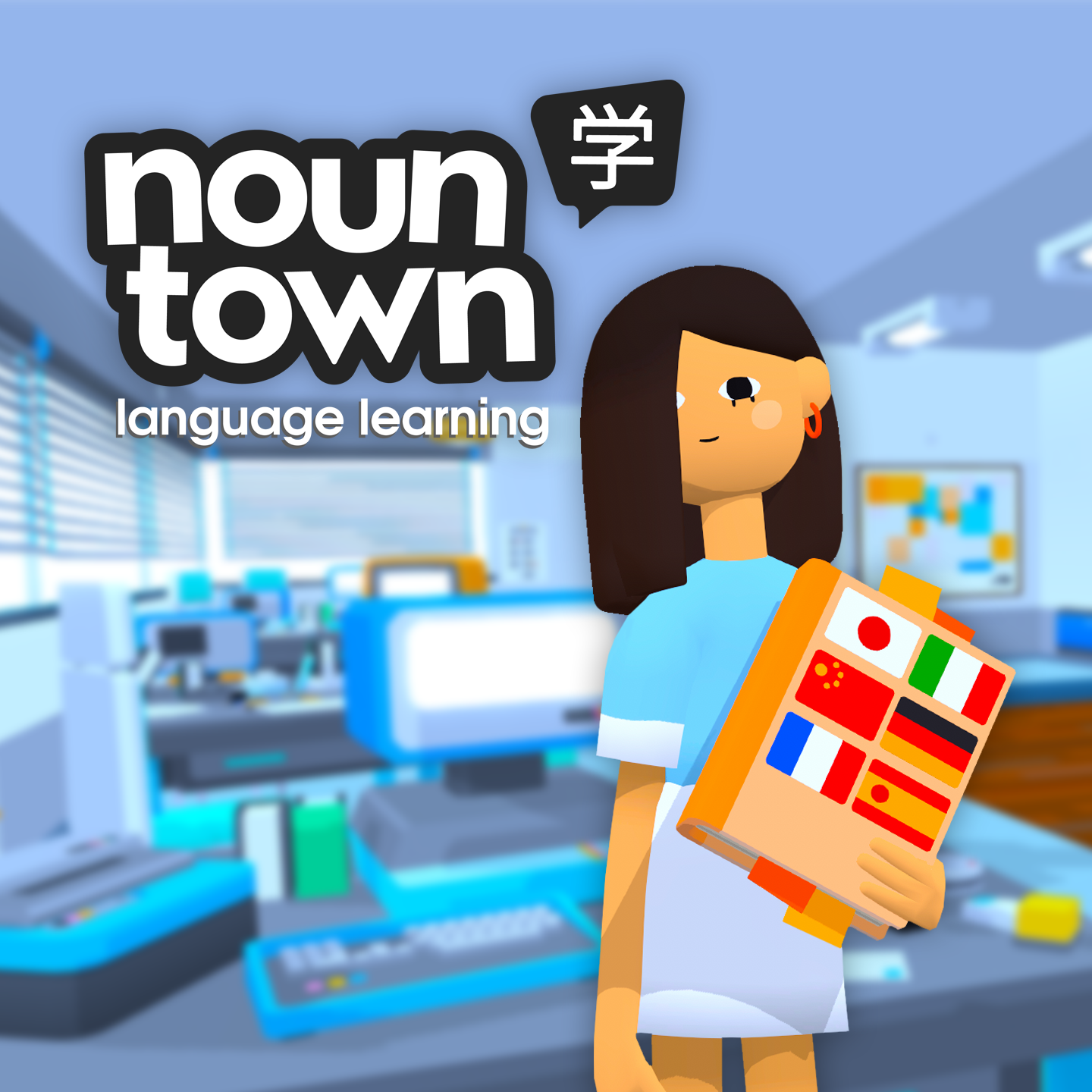
Noun Town on PC, Mac & VR
These browser games are just a taste. The full Noun Town is a bigger, deeper 3D world: explore a living town, talk to its characters and learn thousands of words in immersive VR, Mixed Reality, or on your computer. It's an award-winning game with 590+ reviews on Steam and 12 languages to learn.
See the full game ▶Spot an error? Email us at contact@noun.town