
Home › Korean › Glossary › mosquito
Korean vocabulary · Beginner
How do you say "mosquito" in Korean?
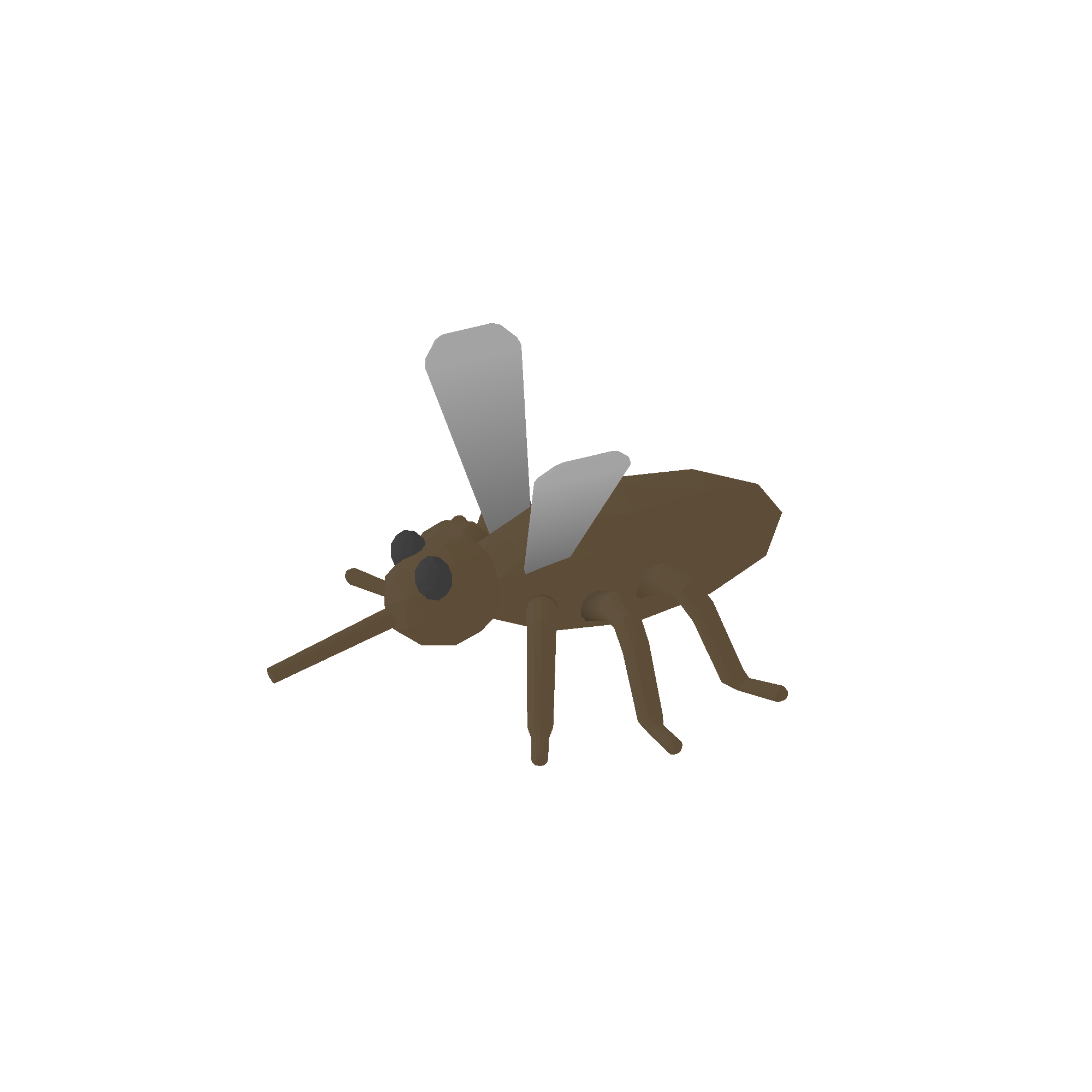
모기
mogi
In Korean, "mosquito" is 모기.
Listen to the pronunciation:
Free Korean learning game. No sign-up, play in browser. See all games
Pronunciation
Say mo-gee, with the stress on the first syllable and a short, sharp ending.
Writing and usage
Two syllable blocks: 모기. This native Korean word is simple and direct, with no obvious compound structure.
Example sentence
모기가 많다.
There are many mosquitoes.
Test your Korean knowledge in our free browser games.
How to remember 모기
Mogi sounds like it could be a name, which makes it easy to remember for this buzzing insect.
Related words
- barrel 통 tong
- dolphin 돌고래 dolgorae
- insect 곤충 gonchung
- sea horse 해마 haema
- sea otter 해달 haedal
- seafood 해물 haemul
- squid 오징어 ojingeo
- umbrella 우산 usan
- walrus 바다 코끼리 bada kokkiri
Browse all Korean words in the glossary.
Questions about 모기
How do you say "mosquito" in Korean?
In Korean, "mosquito" is 모기. It is a noun.
How is 모기 written in Korean?
Two syllable blocks: 모기. This native Korean word is simple and direct, with no obvious compound structure.
How is 모기 used in a sentence?
Use 모기 as you would use the equivalent noun in English. For example: 모기가 많다. (There are many mosquitoes.).
Where can I practice Korean words for free?
You can play free Korean minigames in your browser on the Noun Town online games page, no sign-up required. Every word in the Korean glossary also has native audio and an example sentence you can revisit any time.
"Mosquito" in other languages
Curated by Callan Ratcliffe
This word is part of the vocabulary taught in the Korean language learning game Noun Town, where words are introduced through play rather than memorisation.
Noun Town on PC, Mac & VR
These browser games are just a taste. The full Noun Town is a bigger, deeper 3D world: explore a living town, talk to its characters and learn thousands of words in immersive VR, Mixed Reality, or on your computer. It's an award-winning game with 590+ reviews on Steam and 12 languages to learn.
See the full game ▶Spot an error? Email us at contact@noun.town