
Greetings and Introducing Yourself
Greetings are your passport into every Japanese conversation, and they need almost no grammar at all. In this chapter you'll pick the right hello for any time of day, say thank you and sorry, and deliver the complete first-meeting set: はじめまして、[name]です、よろしくおねがいします.
Set phrases, not sentences
Japanese greetings are fixed set phrases — you memorise them whole, exactly as they are, and use them at the right moment. Don't try to take them apart yet: many are fossilised fragments of much older sentences. こんにちは, for example, literally began life as "as for this day…" and the rest of the sentence simply fell away over the centuries.
Two things decide which greeting you reach for: the time of day, and whether this is the first time you've ever met the person. Get those two right and you'll sound natural from your very first word.
Listen: first greetings at the school
Lindo greets the class and introduces himself — every phrase from this chapter, in a real conversation. Tap ► to listen line by line.
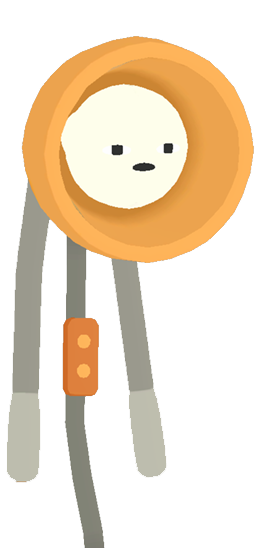 Lindo
Lindo皆さん、おはようございます
Mina san, ohayō gozaimasu
Good morning everybody
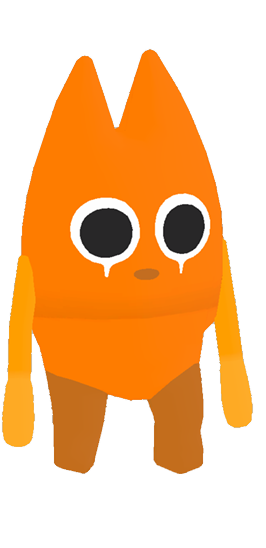 Pishi
Pishiおはようございます!
Ohayō gozaimasu!
Good morning!
Lindoリンドです、どうぞよろしく
Rindo desu, dōzo yoroshiku
I am Lindo. Nice to meet you all
Pishiよろしくお願いします
Yoroshiku onegai shimasu
Nice to meet you
Listen: nice to meet you
A first meeting at the front door — はじめまして and よろしくおねがいします in action.
Pishiこれは兄のカッシャンです
kore wa ani no kasshandesu
This is my older brother Cassian
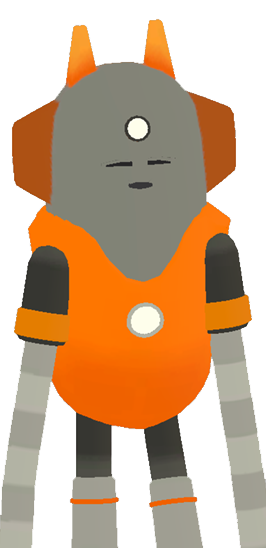 PX296
PX296よろしく
yoroshiku
Nice to meet you
Pishiこれは父のボリンです
kore wa chichi no Borin desu
This is my dad Bolin
PX296どうぞよろしく
dōzo yoroshiku
Very nice to meet you
Greetings around the clock
Japanese has three time-keyed hellos. おはようございます (good morning) is used until late morning; こんにちは (hello / good afternoon) covers midday until dusk; こんばんは (good evening) takes over after dark. Watch the spelling: こんにちは and こんばんは end in the topic particle は, so that final character is pronounced wa, never ha.
おはようございます。
ohayō gozaimasu.
Good morning.
With friends and family, drop ございます and just say おはよう.
先生、こんにちは。
sensei, konnichiwa.
Hello, teacher.
Written こんにちは, said konnichiwa — the は is the old topic particle.
こんばんは。
konbanwa.
Good evening.
Goodbye, thank you, sorry
Four more phrases carry you through almost any short exchange. さようなら is the textbook goodbye, but it feels a little formal and final — between friends, じゃあ、また ("well then, [see you] again") is far more common. ありがとうございます is your all-purpose polite thank-you, and すみません stretches from "sorry" to "excuse me" to flagging down a waiter.
さようなら。
sayōnara.
Goodbye.
Standard between pupils and teachers; a touch heavy between friends.
じゃあ、また明日。
jā, mata ashita.
See you tomorrow.
また on its own means "again" — じゃあ、また works any time you'll meet again.
ありがとうございます。
arigatō gozaimasu.
Thank you very much.
すみません。
sumimasen.
Excuse me. / I'm sorry.
Also the polite way to get someone's attention — in a shop, on a train, anywhere.
The first-meeting set
Meeting someone for the first time triggers a fixed three-part ritual. Open with はじめまして (literally "for the first time"), give your name with the です pattern from the last chapter, and close with よろしくおねがいします — an untranslatable phrase that means roughly "please treat me kindly from here on". Say the set in that order and you have a complete, polished first impression.
はじめまして。
hajimemashite.
Nice to meet you.
Only ever for a genuine first meeting — never with someone you already know.
はじめまして。田中です。
hajimemashite. tanaka desu.
Nice to meet you. I'm Tanaka.
No さん on your own name — that polite title is for other people only.
よろしくおねがいします。
yoroshiku onegai shimasu.
Please be kind to me. / I look forward to it.
Closes the introduction; the other person usually echoes it back to you.
Saying where you're from: 〜から来ました
To round out your self-introduction, add where you're from. から is the particle "from", and 来ました is the polite past of the verb "to come" — so the pattern literally means "I came from [place]". Stack it with your name and job for a full four-line introduction:
[name]です。[country]から来ました。[job]です。よろしくおねがいします。
Most country names are katakana loanwords, so you can slot yours straight in.
イギリスから来ました。
igirisu kara kimashita.
I'm from the UK.
アメリカから来ました。学生です。
amerika kara kimashita. gakusei desu.
I'm from America. I'm a student.
はじめまして。アンナです。カナダから来ました。よろしくおねがいします。
hajimemashite. anna desu. kanada kara kimashita. yoroshiku onegai shimasu.
Nice to meet you. I'm Anna. I'm from Canada. Please be kind to me.
The complete self-introduction — memorise this as one chunk with your own details.
More practice in the game
Four free browser lessons drill these exact exchanges with native Japanese audio — first greetings at school, a basic self-introduction, and meeting someone at the front door.
Questions to keep the conversation going
These are full question phrases taken straight from the game's NPC conversations. Once you've introduced yourself, ask one of these — every villager in Noun Town has an answer ready.
Tap ► to hear the native audio from the game, or tap a word to open its dictionary entry.
Bowing: how deep, and when?
Japanese greetings come with a bow (おじぎ), and the depth carries the meaning:
- About 15° — 会釈, a light nod for passing colleagues and neighbours.
- About 30° — 敬礼, the standard bow for meeting someone new, thanking a shopkeeper, or business greetings.
- About 45° — 最敬礼, reserved for serious apologies or deep gratitude.
Bow from the waist with a straight back, hands at your sides (men) or folded in front (women). Formal etiquette says speak first, then bow — though in everyday life people happily do both at once. As a learner, a friendly 15–30° bow with はじめまして will always land well; nobody expects perfection, and a small clean nod beats an awkward handshake-and-bow hybrid every time.
Test yourself
Eight quick questions — match the greeting to the situation and check your readings.
8 quick questions on this chapter.
Your score
Common questions
Quick answers about this chapter's grammar.
Does さようなら really mean goodbye forever?
Not quite, but it does carry a formal, slightly final flavour — it suits the end of a school day or a long parting more than everyday life. Friends say じゃあ、また or just またね, and colleagues leaving the office say 失礼します. For the JLPT N5, though, さようなら is the standard "goodbye" you need to know.
Why is こんにちは spelled with は instead of わ?
Because it's a frozen fragment of an old sentence: "as for this day…". The は is the topic particle, which is always written は but pronounced wa. The same applies to こんばんは ("as for this evening…"). Writing こんにちわ is a common mistake even among Japanese speakers online — the standard spelling ends in は.
What does よろしくおねがいします actually mean?
There's no direct English equivalent. Literally it asks the other person to treat you favourably in the relationship that's just starting — something like "I'm in your hands". It ends self-introductions, seals requests, and starts collaborations. When someone says it to you, simply say it back: よろしくおねがいします.
Until what time can I say おはようございます?
Roughly until 10 or 11 in the morning, after which こんにちは takes over. One quirk worth knowing: in some workplaces — broadcasting, restaurants, the entertainment industry — おはようございます is the first greeting of your shift no matter the hour, even at night. As a learner, just follow the clock.
Want more practice? Browse all free Japanese lessons or look words up in the Japanese dictionary.