This and That: こそあど and the Particle の
Point at anything and talk about it: this chapter gives you the こそあど words — これ, それ, あれ and friends — plus the particle の to say whose it is. Together they turn the nouns you already know into real conversation.
Listen: の at the bakery
Cassian and Pishi connect nouns with の while talking about what is in the bakery. Tap ► to listen.
 Cassian
ねえ、ねえ
Nē, nē
Hey, hey
 Pishi
Pishi何?
Nani?
What is it?
Cassianリンド先生は何の先生なの?
Rindo sensei wa nani no sensei nano?
What is professor Lindo teaching?
Pishi日本語の先生だよ
Nihongo no sensei da yo
He is the Japanese teacher
Three distances, one system
English splits the world two ways: this (near me) and that (everything else). Japanese splits it three ways, organised around the two people in the conversation:
- こ〜 — near me, the speaker: "this"
- そ〜 — near you, the listener: "that (by you)"
- あ〜 — away from both of us: "that (over there)"
- ど〜 — the matching question word: "which?", "where?"
Because the first sounds spell こ・そ・あ・ど, Japanese calls the whole family the こそあど words. Learn the four prefixes once and three rows of vocabulary come free:
| こ〜 (near me) | そ〜 (near you) | あ〜 (away from both) | ど〜 (question) | |
|---|---|---|---|---|
| Thing | これ | それ | あれ | どれ |
| + noun | この〜 | その〜 | あの〜 | どの〜 |
| Place | ここ | そこ | あそこ | どこ |
Hand your friend a bowl and watch the words flip: in your hand it's これ, in theirs it's それ. The system tracks whose space something is in, not absolute distance.
これ・それ・あれ・どれ — this one, that one
These four stand alone as nouns meaning "this one" or "that one" — perfect when you don't know (or don't need) the word for the thing itself. これ is in your space, それ is in your listener's space, あれ is away from you both, and どれ asks "which one?". They never attach directly to a noun — that's the next pattern's job.
これはスプーンです。
kore wa supūn desu.
This is a spoon.
これ because the spoon is in your hand or within your reach.
それは何ですか。
sore wa nan desu ka.
What is that (thing near you)?
The classic way to ask about whatever your listener is holding.
あれはテレビです。
are wa terebi desu.
That (over there) is a TV.
リュックサックはどれですか。
ryukkusakku wa dore desu ka.
Which one is the backpack?
この・その・あの・どの + noun
To say "this spoon" rather than just "this one", swap the れ for の and attach a noun: このスプーン. The distance logic is identical — only the grammar changes. Remember the rule both ways: これ stands alone, この always needs a noun after it. このです is never correct.
この毛布はプレゼントです。
kono mōfu wa purezento desu.
This blanket is a present.
その本は教科書ですか。
sono hon wa kyōkasho desu ka.
Is that book (by you) a textbook?
あの人は田中さんです。
ano hito wa tanaka-san desu.
That person over there is Mr/Ms Tanaka.
あの人 ("that person") is how Japanese usually says "he" or "she" for someone you can both see.
どの人が先生ですか。
dono hito ga sensei desu ka.
Which person is the teacher?
Question words like どの and どれ can never take は — they pair with が instead.
ここ・そこ・あそこ・どこ — places
The same grid covers places: ここ "here", そこ "there by you", あそこ "over there", どこ "where?". Note the one irregular cell — it's あそこ, not あこ. With 〜はどこですか you can ask where anything is, and the answer comes straight back from the same row.
トイレはどこですか。
toire wa doko desu ka.
Where is the toilet?
Quite possibly the most useful sentence you will ever learn in Japan.
鏡はそこです。
kagami wa soko desu.
The mirror is there (by you).
石鹸はあそこです。
sekken wa asoko desu.
The soap is over there.
ここは学校です。
koko wa gakkō desu.
This place is a school.
の — possession and noun-linking
の glues two nouns together: AのB ≈ "A's B" or "the B of A". The describing noun always comes first — わたしの本 "my book", 日本の車 "a Japanese car". It handles far more than ownership: origin, category, contents, material. And with 何の + noun you can ask what sort of thing something is.
これはわたしの本です。
kore wa watashi no hon desu.
This is my book.
それは日本の車です。
sore wa nihon no kuruma desu.
That is a Japanese car.
の links any two nouns — origin, type, material — not just owners.
これは何の教科書ですか。
kore wa nan no kyōkasho desu ka.
What kind of textbook is this?
何の (nan no) + noun asks "what sort of ~?" — answer with another の phrase: 日本語の教科書です.
そのスプーンは田中さんのです。
sono supūn wa tanaka-san no desu.
That spoon is Mr/Ms Tanaka's.
When the noun is obvious, drop it: 田中さんの = "Tanaka's one", わたしの = "mine".
More practice in the game
Two free browser lessons with native audio: the bakery lesson drills the particle の, and the clothes shop lesson has you asking where products are with どこ.
Chapter vocabulary
Thirteen objects from the house and school scenes — all things you can physically point at while you practise これ, それ and あれ.
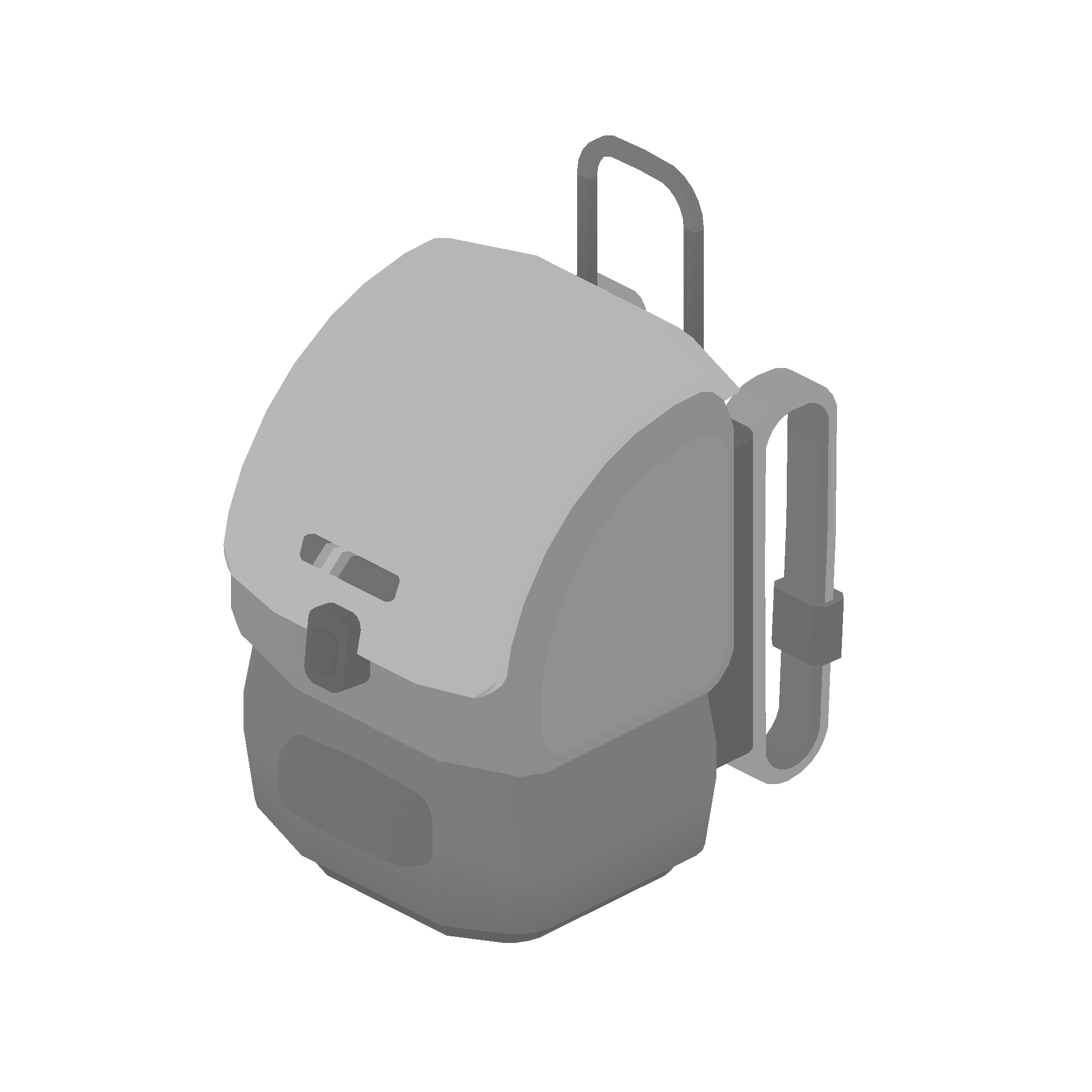


Tap ► to hear the native audio from the game, or tap a word to open its dictionary entry.
Pointing the polite way
This chapter teaches you to point with words — but watch how you point with your hands. In Japan, aiming an index finger straight at a person feels accusatory, like singling them out. Instead, indicate people with an open hand, palm up, fingers together — the smooth gesture you'll see shop staff make as they say あちらです ("it's over that way"). Pointing at objects, menus and signs is far less of an issue, though the open hand is always the safer, more elegant choice. One more gesture worth knowing: to mean "who, me?", Japanese speakers point at their own nose, not their chest.
Test yourself
Eight questions: pick the right pointer word for each situation, then build some の sentences.
8 quick questions on this chapter.
Your score
Common questions
Quick answers about this chapter's grammar.
What's the difference between これ and この?
これ stands alone and means "this one": これはペンです. この can never stand alone — it must be glued to a noun: このペンです. The same split applies to それ/その, あれ/あの and どれ/どの. If there's a noun straight after, use the の version.
When should I use それ instead of あれ?
それ is for things in your listener's space — typically something they're holding or standing next to. あれ is for things away from both of you. English crams both into "that", so the listener-based split is the new habit to build: think "whose territory is it in?" rather than "how far away is it?".
Does the particle の only show possession?
No — possession is just its most famous job. の links any two nouns, with the describing noun first: 日本の車 "a Japanese car", 学校の先生 "a school teacher", 歴史の教科書 "a history textbook". And 何の + noun asks what kind of thing something is.
What are こちら, そちら, あちら and どちら?
They're the polite, formal members of the same こそあど family, originally meaning "this direction". Shop and hotel staff use them constantly — あちらです means "it's over that way" — and どちら is the polite どこ/どれ. You don't need to produce them at N5, but you'll hear them in every shop in Japan.
Want more practice? Browse all free Japanese lessons or look words up in the Japanese dictionary.