Home › Spanish › Glossary › duck
Spanish vocabulary · Beginner
How do you say "duck" in Spanish?
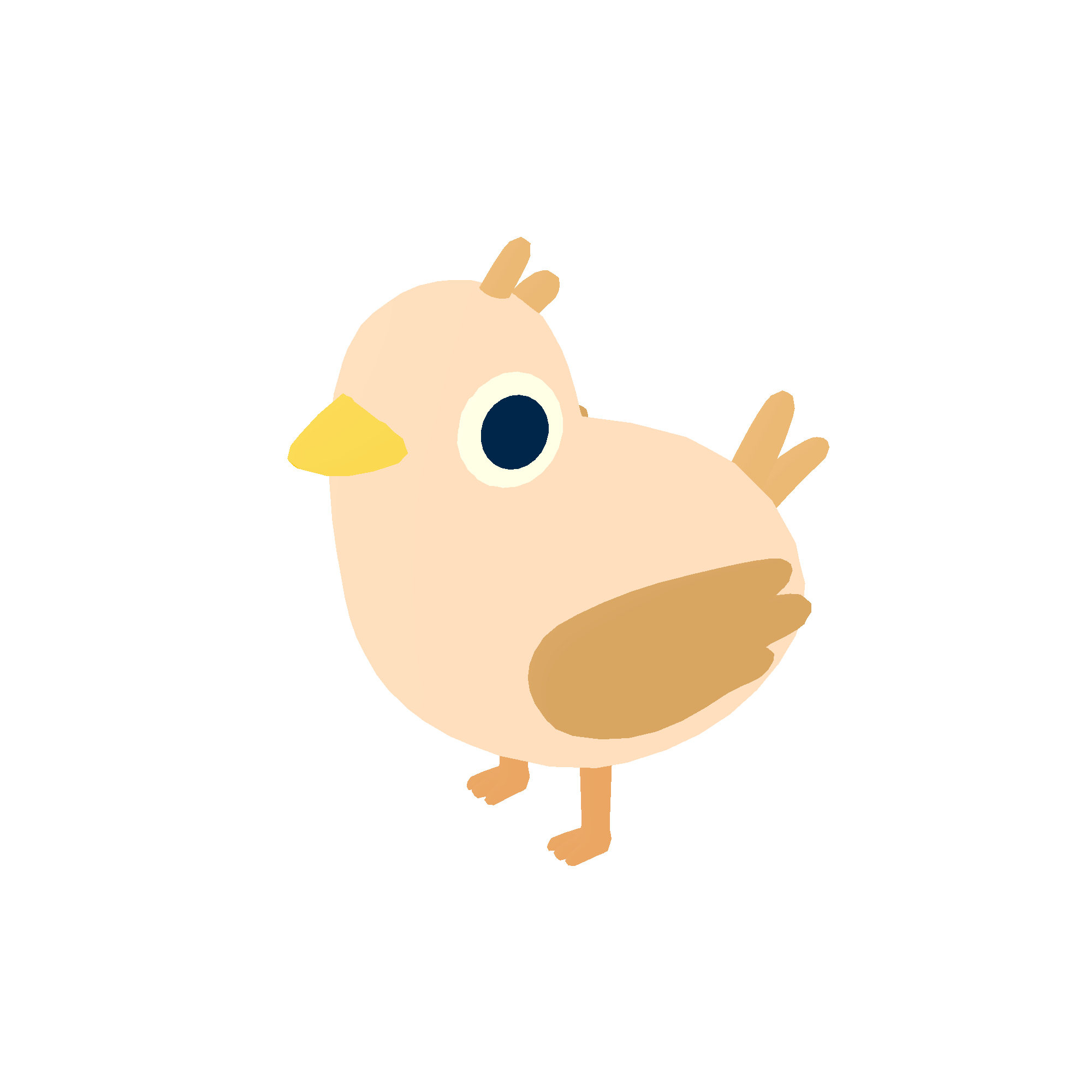
el pato
In Spanish, "duck" is el pato.
Listen to the pronunciation:
Free Spanish learning game. No sign-up, play in browser. See all games
Pronunciation
Pronounced PAH-to, with stress on the first syllable.
Grammar notes
Masculine noun taking el. Plural is patos. Pato refers to both male ducks and ducks in general.
Example sentence
El pato nada en el río.
The duck swims in the river.
Test your Spanish knowledge in our free browser games.
How to remember el pato
Pato sounds like 'pat' which is what you do to a duck to pat its feathers.
Related words
- cow la vaca
- goat la cabra
- grains los granos
- hen la gallina
- pig el cerdo
- rabbit el conejo
- rooster el gallo
- sheep la oveja
- turkey el pavo
Browse all Spanish words in the glossary.
Questions about el pato
How do you say "duck" in Spanish?
In Spanish, "duck" is el pato. It is a noun.
Is el pato masculine or feminine?
Masculine noun taking el. Plural is patos. Pato refers to both male ducks and ducks in general.
How is el pato used in a sentence?
Use el pato as you would use the equivalent noun in English. For example: El pato nada en el río. (The duck swims in the river.).
Where can I practice Spanish words for free?
You can play free Spanish minigames in your browser on the Noun Town online games page, no sign-up required. Every word in the Spanish glossary also has native audio and an example sentence you can revisit any time.
"Duck" in other languages
Curated by Callan Ratcliffe
This word is part of the vocabulary taught in the Spanish language learning game Noun Town, where words are introduced through play rather than memorisation.
Noun Town on PC, Mac & VR
These browser games are just a taste. The full Noun Town is a bigger, deeper 3D world: explore a living town, talk to its characters and learn thousands of words in immersive VR, Mixed Reality, or on your computer. It's an award-winning game with 590+ reviews on Steam and 12 languages to learn.
See the full game ▶Spot an error? Email us at contact@noun.town