
Japanese for English speakers Cafe · Lesson 2
Asking about business hours
Ask about Japanese business hours — 何時から (nanji kara, from what time?) — using the hour counter 〜時 (ji) and 開店/閉店 (kaiten/heiten) for open/closed.
Conversation
-
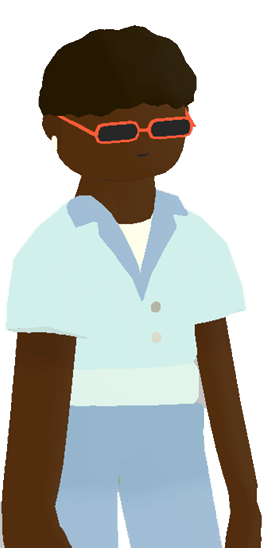 Kyle
Kyle
申し訳ございません、お客様!
Mōshiwake gozaimasen, okyaku sama.
We are very sorry, dear customer...
Tip: <Mōshiwake gozaimasen> = I am very sorry (formal) <Okyaku sama> = "Dear customer"
-
Kyle
今、喫茶店は閉店です
Ima, kissaten wa hēten desu
... now, the cafe is closed
Tip: <Ima> = Now <Kissaten> = Japanese-style coffee shop <Hēten> = Shop closed
-
 Shelladonna
そうですか。明日、何時からですか?
Sō desu ka? ashita, nanji kara desu ka?
Oh, is it? What time do you open tomorrow?
Tip: <Ashita> = Tomorrow <Ji> = Counter for hours in a day. Counters are a special type of word used with numbers in Japanese <Kara> = From (a certain time or a certain place)
-
Kyle
明日、九時からです
Ashita, kuji kara desu
Tomorrow, we are open from nine o'clock
Tip: <Kuji> = Nine o'clock