Japanese for English speakers House · Lesson 5

Expressing doubt

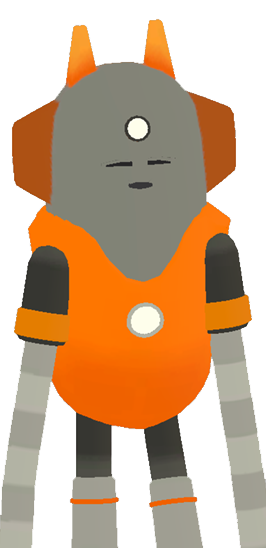
Express tentative belief with ...よね (yo ne) — '..., right?' — when you're about 80% sure. Includes ロボット (robot) vocabulary and demonstratives この/その/あの.

Conversation

  1. Cassian Cassian

    ピー・エックス296号さんはロボットですよね?

    Pī ekkusu 296 gō wa robottodesu yo ne?

    PX296, you are a robot, right?

    Tip: <...yo ne> = If I am not wrong... <robotto> = robot

  2. PX296 PX296

    はい、そうですよ

    hai, sōdesu yo

    Yes, that's correct

  3. Cassian Cassian

    あの~、そのボタンは何ですか?

    anō, sono botan wa nanidesu ka?

    Ehm... What is that button for?

    Tip: <anō> = "Errr" or "umm" <botan> = button <sono + [noun]> = that (something)

  4. PX296 PX296

    このボタンはレーザーです。

    kono botan wa rēzā desu

    This is the laser

    Tip: <kono + [noun]> = this (something) <rēzā> = laser

Common questions

Quick answers about this lesson's grammar and vocabulary.

What does よね mean at the end of a sentence?

A tentative confirmation particle — '..., right?' or '..., isn't it?'. Used when you're mostly sure but want to check.

What's the difference between この, その, あの?

この = this (near speaker). その = that (near listener). あの = that (far from both).

What does あのー (anō) mean?

A filler word, like 'um' or 'err' — used when hesitating or starting a question.

Test yourself

Pick the English translation for each line from this lesson. Wrong answers are pulled from other Japanese lessons.

4 quick questions on what you just heard.

Next lesson in House More verb patters →