Katakana and Your First Kanji
Hiragana down? Time for the other half of the kana: katakana, the angular script behind ピザ and ケーキ — plus your first nine kanji, from 一 to 水. By the end of this chapter you'll be sounding out real loanwords and recognising characters you'd meet on any street in Japan.
What katakana is for
Katakana covers exactly the same sounds as hiragana — nothing new to pronounce, only new shapes to recognise. So why does Japanese keep two parallel syllabaries? Because they have different jobs. You'll see katakana used for:
- Loanwords — words borrowed from other languages: ピザ (piza, pizza), ケーキ (kēki, cake), バター (batā, butter). Thousands of everyday words work like this.
- Foreign names and places — アメリカ (amerika, America), and your own name when you write it in Japanese.
- Onomatopoeia — Japanese is full of sound words, often written in katakana: ワンワン (wanwan, woof woof), ドキドキ (dokidoki, a pounding heart).
- Emphasis — much like italics in English, a word can be switched to katakana to make it pop. Menus and adverts do this constantly.
For a learner, katakana pays for itself immediately: a huge share of katakana words are English in disguise, so once you can sound them out, you can often guess the meaning for free.
The katakana chart (gojūon)
The 46 basic katakana sit in the same gojūon ("fifty sounds") grid as hiragana. If you can recite あいうえお, you already know the order — only the shapes change. Katakana strokes are straight and angular where hiragana curves.
| a | i | u | e | o | |
|---|---|---|---|---|---|
| — | ア a | イ i | ウ u | エ e | オ o |
| k | カ ka | キ ki | ク ku | ケ ke | コ ko |
| s | サ sa | シ shi | ス su | セ se | ソ so |
| t | タ ta | チ chi | ツ tsu | テ te | ト to |
| n | ナ na | ニ ni | ヌ nu | ネ ne | ノ no |
| h | ハ ha | ヒ hi | フ fu | ヘ he | ホ ho |
| m | マ ma | ミ mi | ム mu | メ me | モ mo |
| y | ヤ ya | ユ yu | ヨ yo | ||
| r | ラ ra | リ ri | ル ru | レ re | ロ ro |
| w | ワ wa | ヲ (w)o | |||
| n | ン n |
Watch the two notorious look-alike pairs: シ (shi) vs ツ (tsu), and ソ (so) vs ン (n). In シ and ン the short strokes lie flat and the long stroke sweeps up from the bottom left; in ツ and ソ the strokes stand upright and the long stroke is drawn down from the top. (ヲ is the katakana を — you'll almost never see it in real text.)
The same two marks you know from hiragana work here too: the double strokes (゛) voice a consonant — カ ka becomes ガ ga, サ becomes ザ za, タ becomes ダ da, ハ becomes バ ba — and the small circle (゜) makes the p-row: パ pa. Small ャ, ュ, ョ attach to i-column kana for blended sounds: シャ sha, チョ cho, ジュ ju. Katakana also has extra combinations invented for foreign sounds that hiragana rarely needs: ファ fa, フィ fi, ティ ti, ウィ wi — which is how マフィン (mafin, muffin) and パーティー (pātī, party) get spelled.
Long vowels with ー
Katakana marks long vowels with a simple bar: ー, the chōonpu. Whatever vowel comes before it is held for an extra beat — カー is kā, キー is kī. (Hiragana doubles the vowel instead, as in おかあさん, so the bar is a katakana speciality.) Vowel length changes meaning in Japanese, so give it its full beat: ビル biru is a building, but ビール bīru is a beer.
ケーキ
kēki
cake
ケ ke + ー stretches it to kē.
ドーナツ
dōnatsu
donut
バター
batā
butter
The long vowel lands on the final syllable: ba-tā.
ハンバーガー
hanbāgā
hamburger
Two long vowels in one word — listen for bā and gā.
Reading practice: small ッ and friends
Two more katakana tricks and you can read anything: a small ッ doubles the consonant after it (a sharp little pause, just like small っ in hiragana), and small ャュョ or small vowels create blended sounds. Sound out each word before checking the romaji — spotting the English hiding inside katakana is a skill in itself.
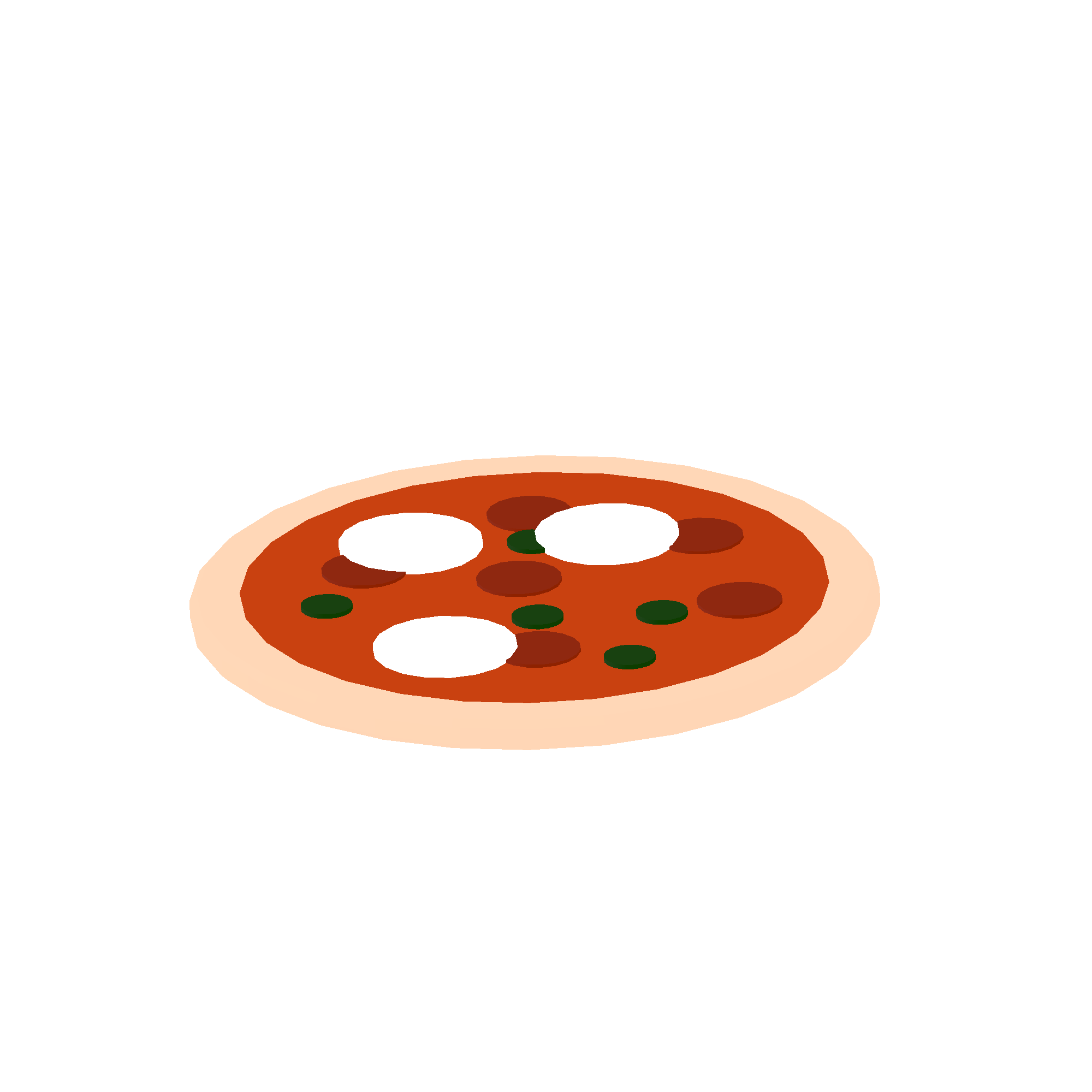
ピザ
piza
pizza
ザ is サ sa with dakuten: za.
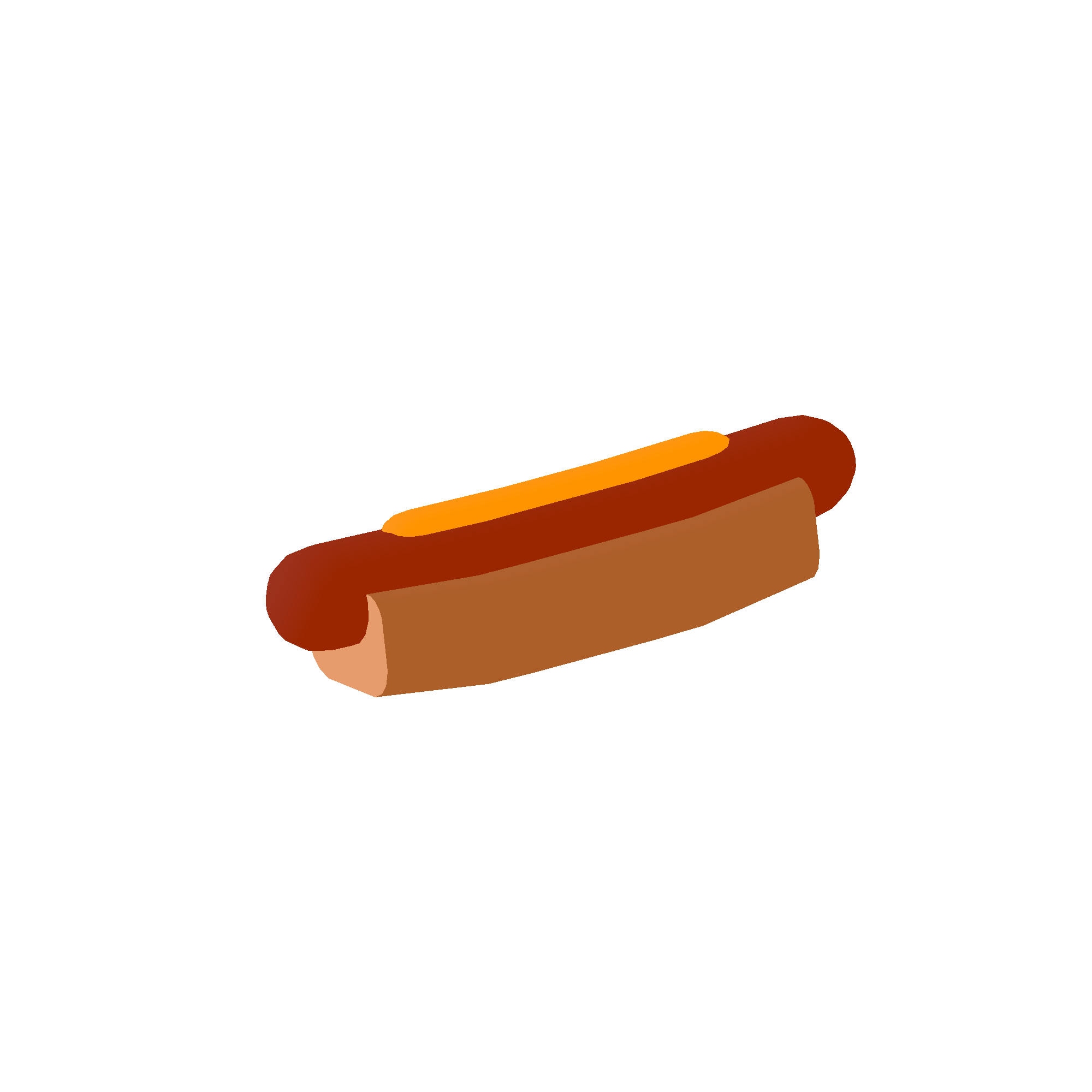
ホットドッグ
hottodoggu
hot dog
Two small ッ in one word — ho-(t)-to-do-(g)-gu.
クッキー
kukkī
cookie
Small ッ and the long-vowel bar working together.
チョコレート
chokorēto
chocolate
Small ョ blends チ chi into チョ cho.
マフィン
mafin
muffin
フィ (フ + small イ) = fi, one of katakana's foreign-sound combos.
クロワッサン
kurowassan
croissant
Borrowed from French — not every loanword is English.
What kanji actually are
Kanji are characters borrowed from Chinese, and they work differently from kana: each one carries meaning, not just sound. 水 means "water" however it happens to be pronounced — and that "however" is the part that surprises beginners, because most kanji have at least two readings.
- 音読み (on'yomi) — the reading borrowed from Chinese along with the character, usually written in katakana in dictionaries. On readings dominate in compound words: the スイ in 水曜日 (Wednesday).
- 訓読み (kun'yomi) — the native Japanese word the character was attached to, written in hiragana in dictionaries. Kun readings appear when a kanji stands alone or with kana endings: water by itself is 水.
Why the duplication? When Japan imported the characters, it kept the Chinese-style pronunciations and mapped the symbols onto existing Japanese words — so both readings survived. Some characters were even borrowed more than once, in different centuries, picking up an extra on reading each time.
The good news: you don't need to memorise reading lists. Learn whole words — にほん, すいようび, みず — and the readings come along for free. Japan's official list has 2,136 everyday kanji, but the JLPT N5 expects only around 100, and you're about to meet nine of the most common.
Your first nine kanji
On readings (Chinese-derived) are shown in katakana and kun readings (native Japanese) in hiragana, following dictionary convention. Kana in brackets are okurigana — the endings written after the kanji.
| Kanji | Readings | Meaning | Example |
|---|---|---|---|
| 一 | イチ・イツ ひと(つ) | one | 一つ (hitotsu — one thing) |
| 二 | ニ ふた(つ) | two | 二人 (futari — two people) |
| 三 | サン みっ(つ) | three | 三人 (sannin — three people) |
| 人 | ジン・ニン ひと | person | 日本人 (nihonjin — a Japanese person) |
| 日 | ニチ・ジツ ひ・か | sun; day | 日曜日 (nichiyōbi — Sunday) |
| 本 | ホン もと | book; origin | 日本 (nihon — Japan) |
| 月 | ゲツ・ガツ つき | moon; month | 月曜日 (getsuyōbi — Monday) |
| 火 | カ ひ | fire | 火曜日 (kayōbi — Tuesday) |
| 水 | スイ みず | water | お水 (o-mizu — water, polite) |
Katakana practice: words from the game
Fourteen katakana loanwords you'll collect in Noun Town. Read each one aloud before peeking at the romaji — every single one is a word you already know in English (or French).
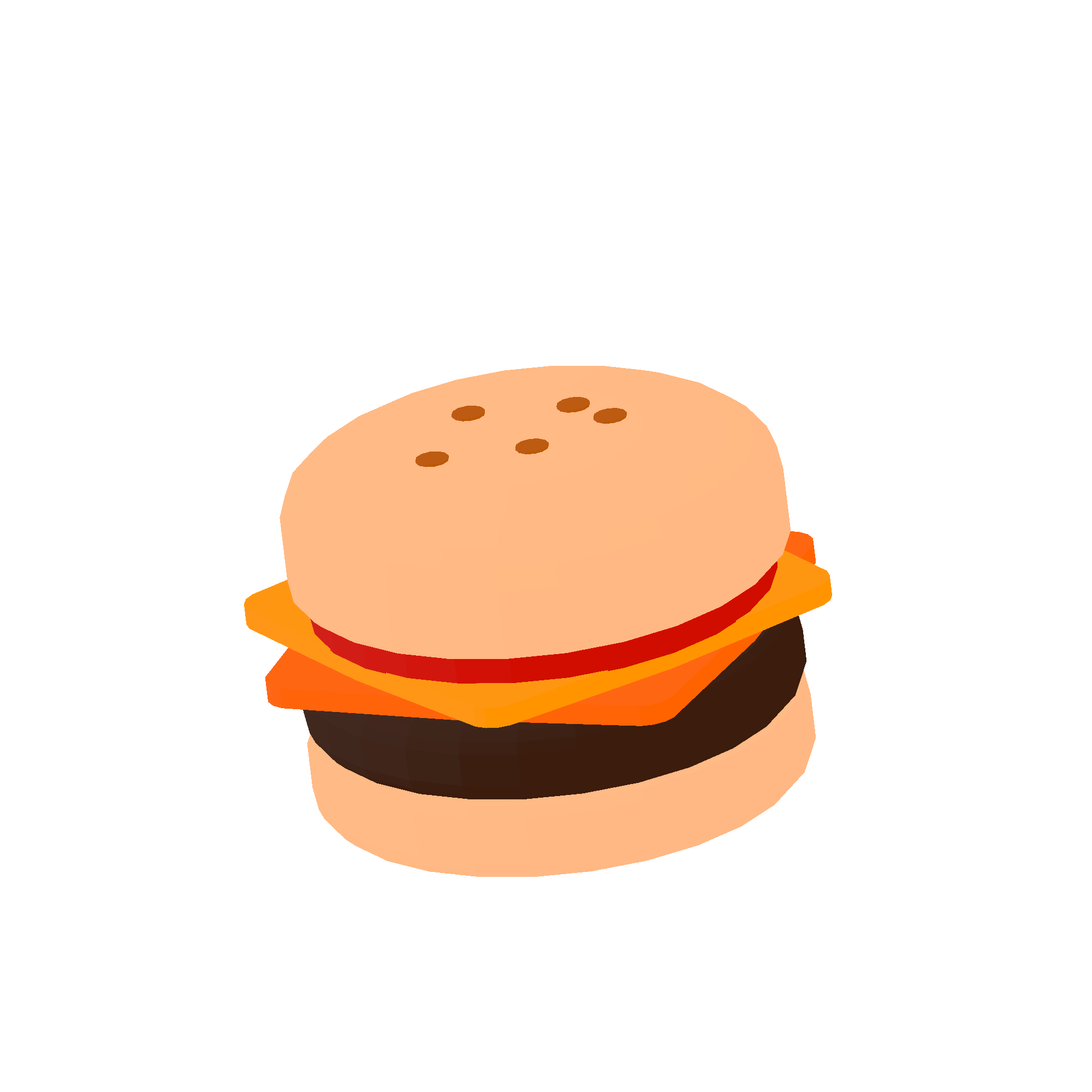
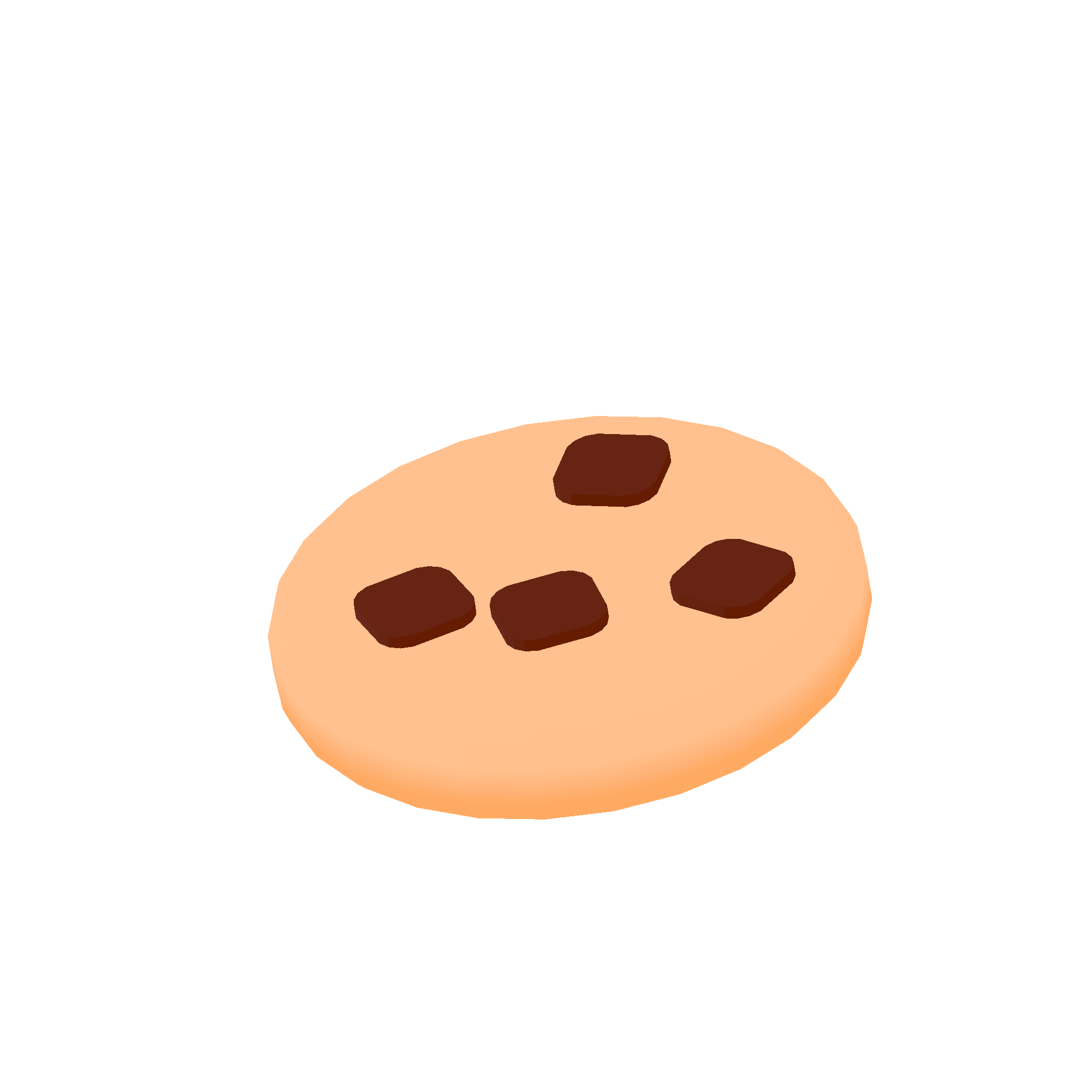
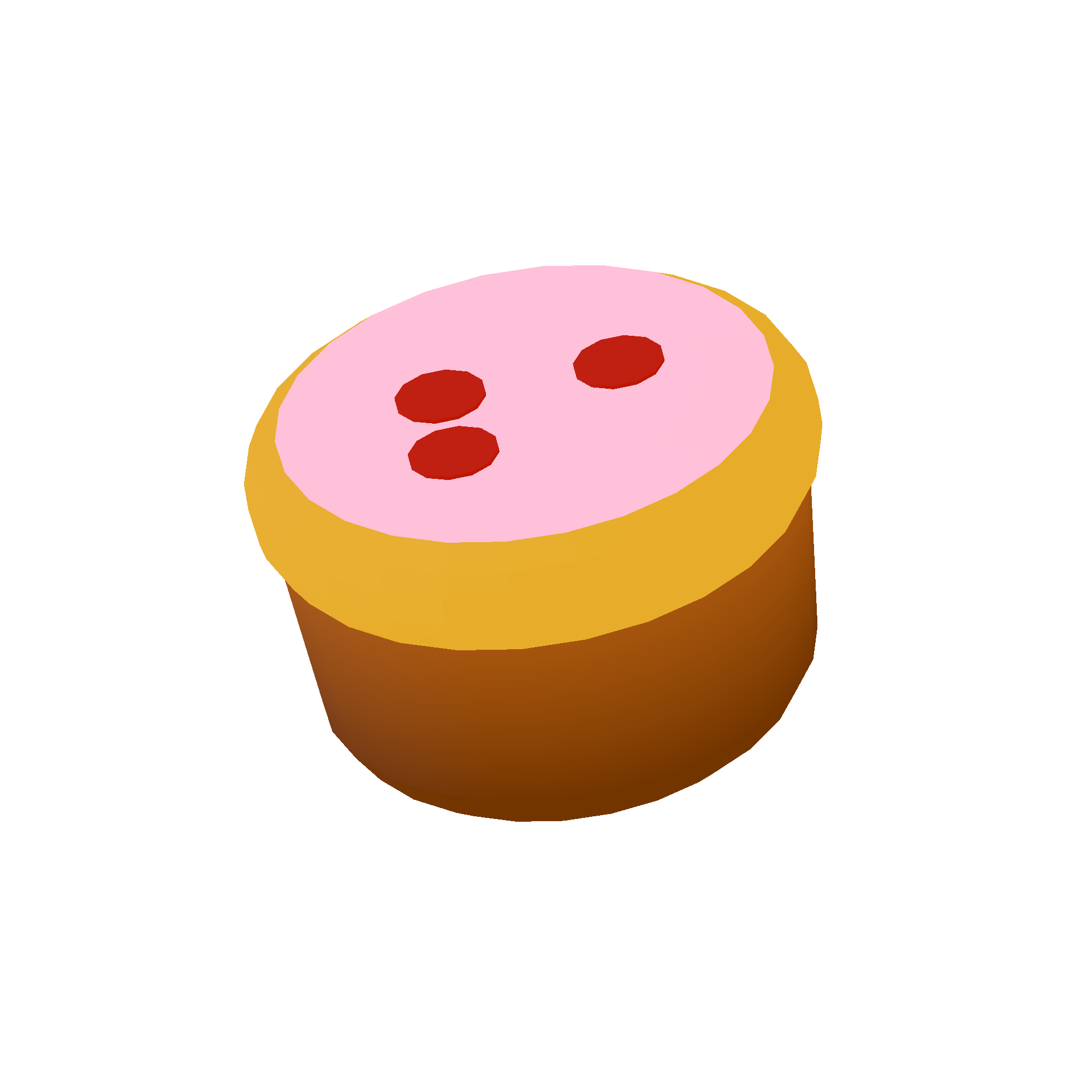
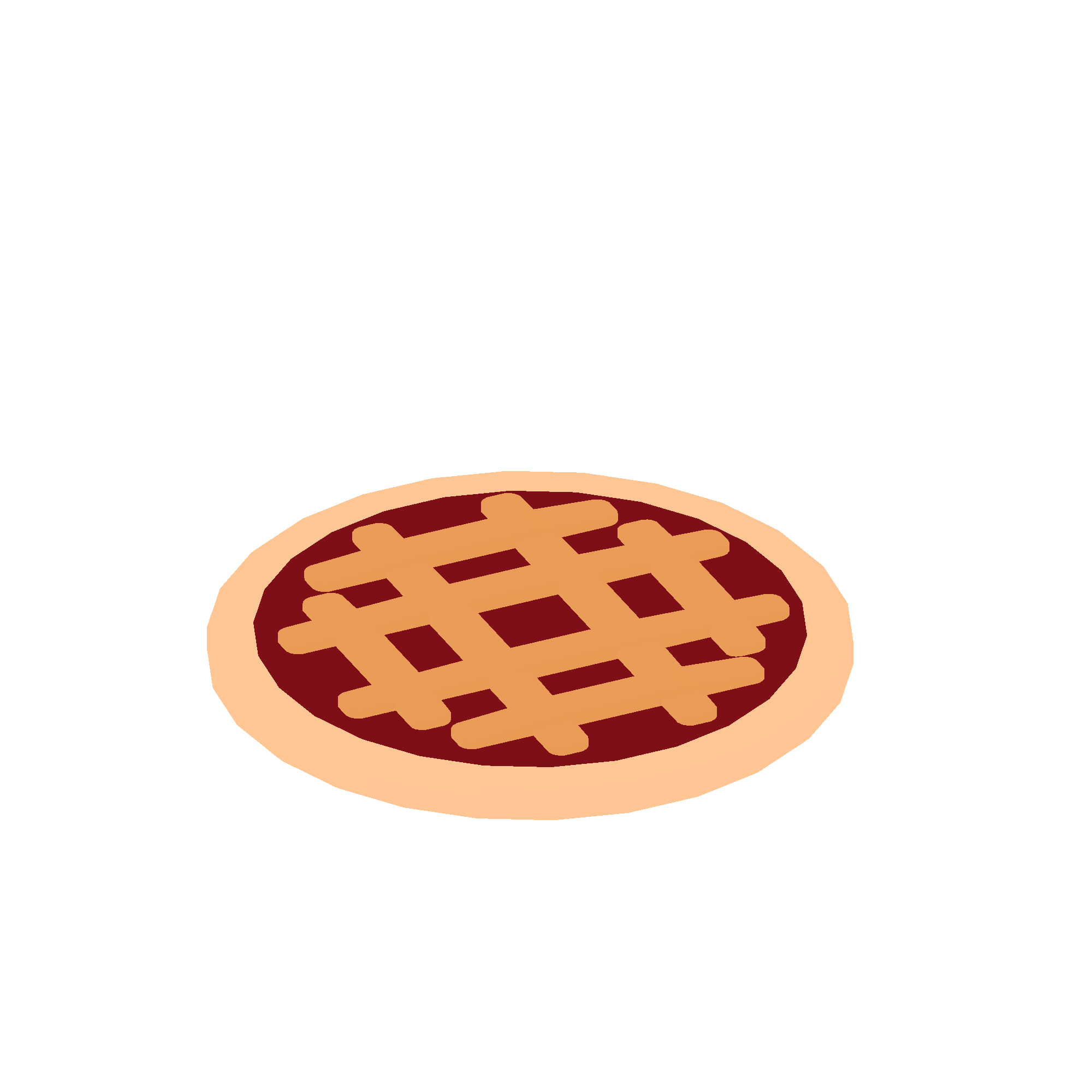
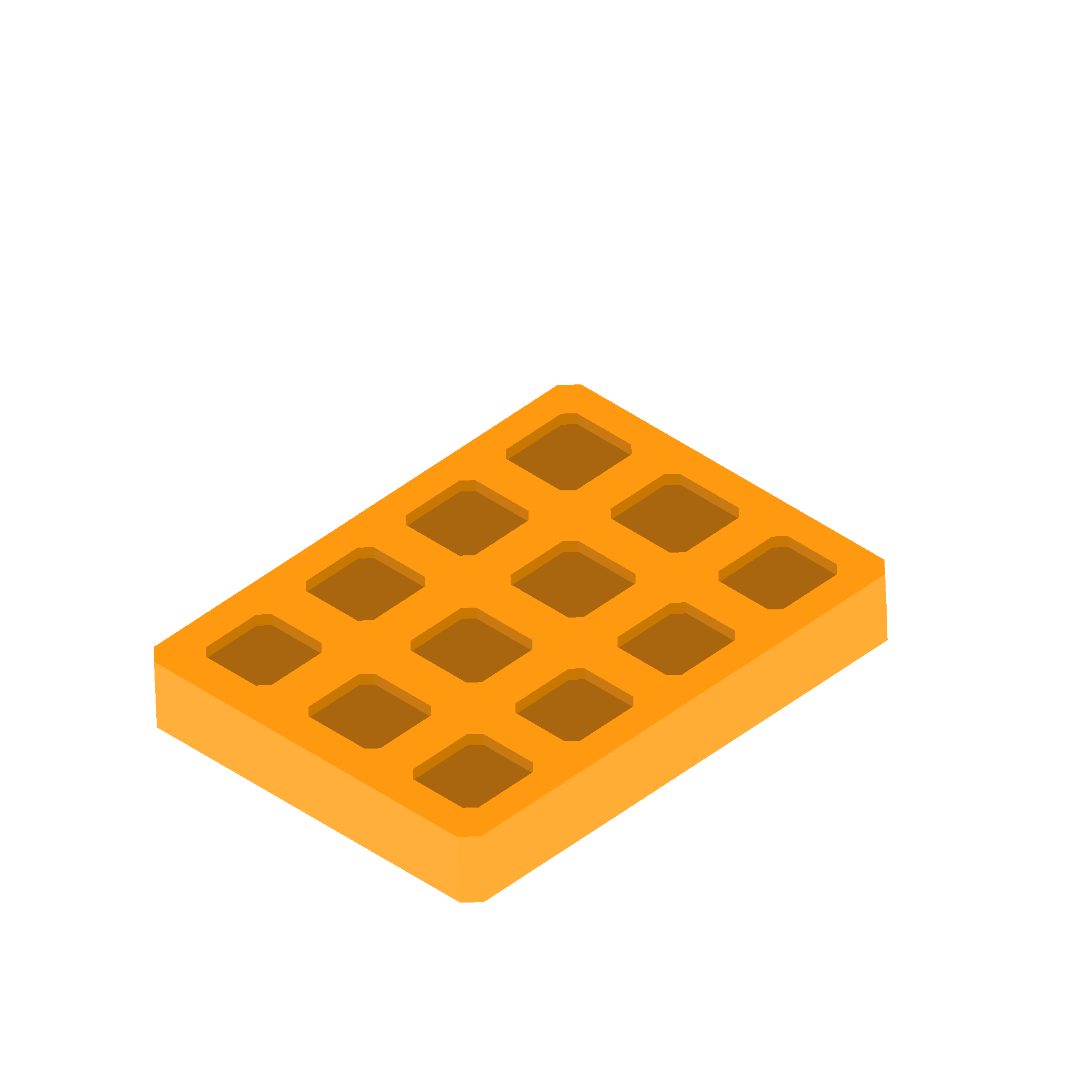
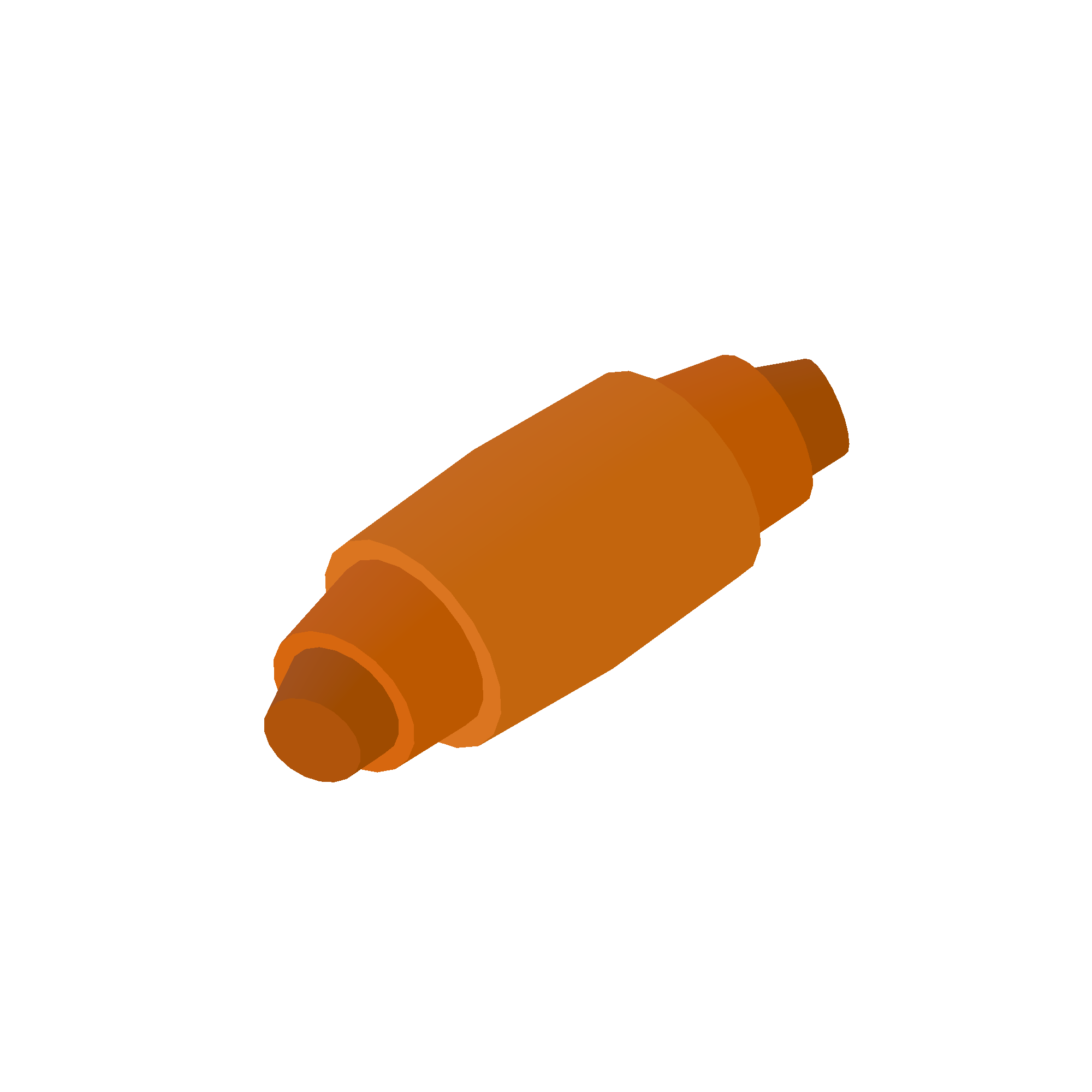

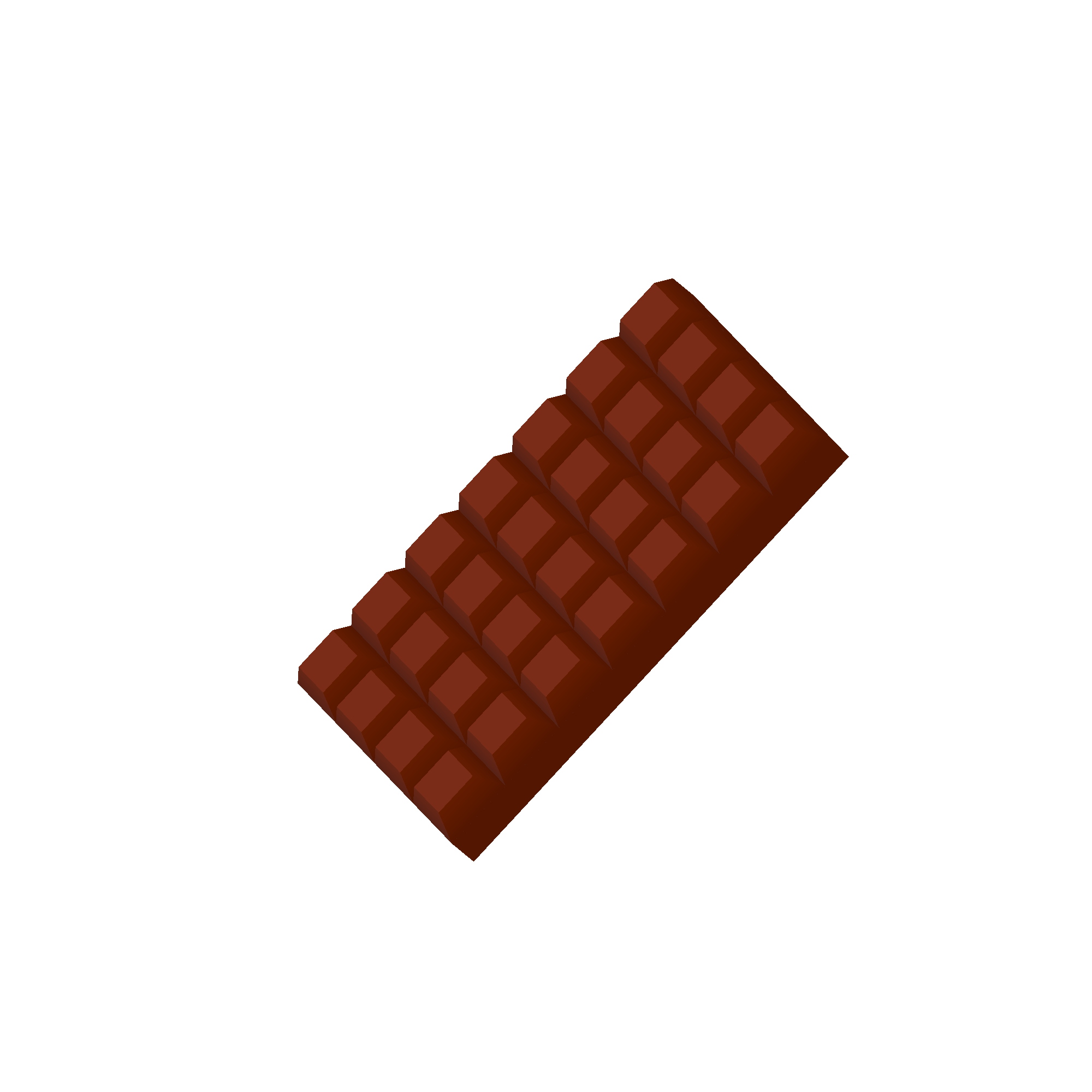
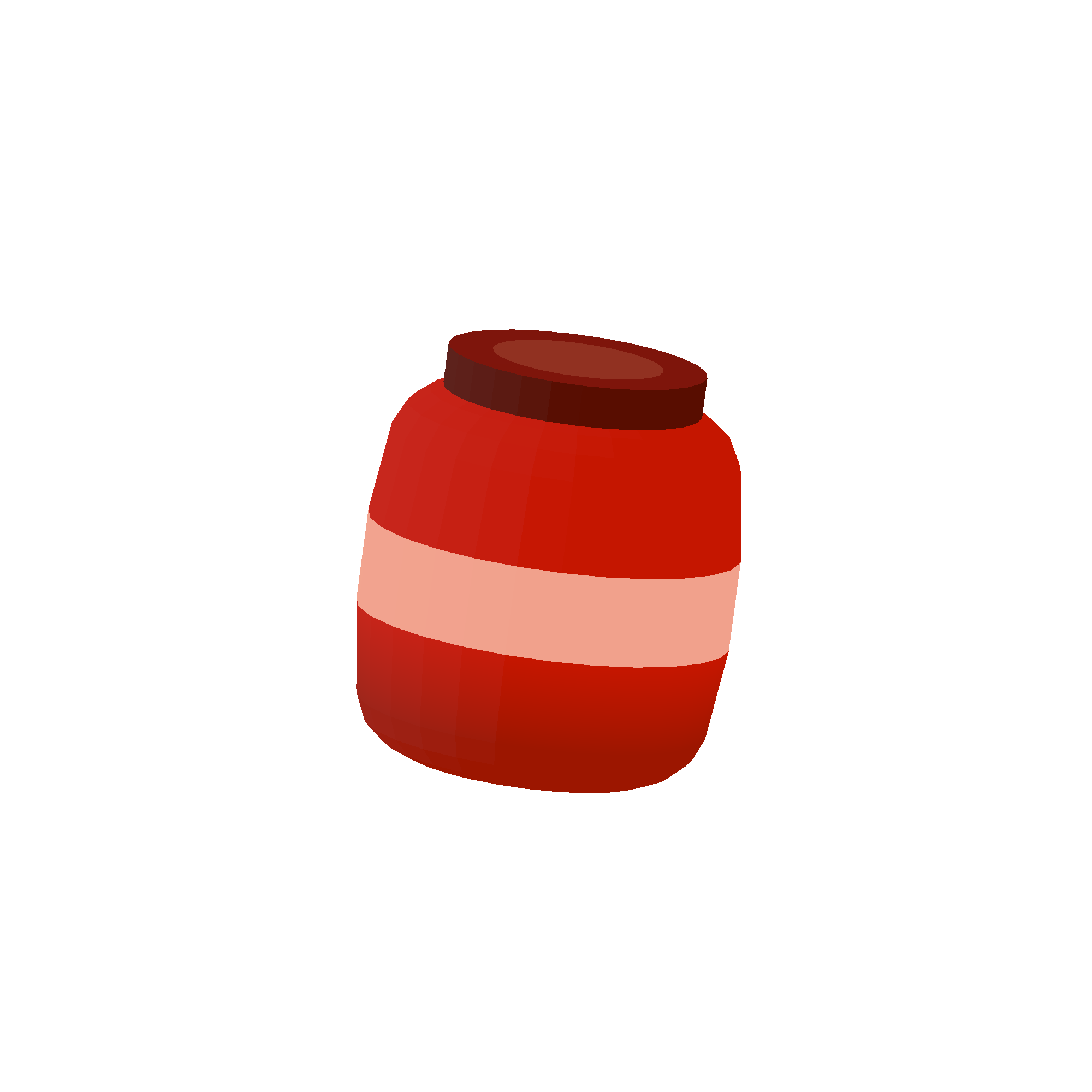
Tap ► to hear the native audio from the game, or tap a word to open its dictionary entry.
Why Japan writes with Chinese characters
Japanese and Chinese are completely unrelated languages — so why does Japanese write with Chinese characters? Because when writing reached Japan from China, via the Korean peninsula around the 5th century, Japanese had no script of its own. Scholars and Buddhist monks first wrote in Chinese, then slowly bent the characters to fit Japanese. Both kana syllabaries grew out of that effort: hiragana from whole characters written in flowing cursive (安 melted into あ), and katakana from character fragments that monks used as speedy reading notes in the margins of Chinese texts (a piece of 阿 became ア). The three-script mix you're learning is a 1,500-year-old compromise — and a tidy one: kanji carry the meaning, hiragana handles the grammar, and katakana takes care of the imports.
Test yourself
Eight quick questions on katakana reading and your first kanji.
8 quick questions on this chapter.
Your score
Common questions
Quick answers about this chapter's grammar.
Should I learn katakana if I already know hiragana?
Yes — and it's a quick win. Katakana represents exactly the same sounds in the same order, so you're learning 46 new shapes, not a new system; most people manage it in under a week. It unlocks menus, shop signs and the thousands of loanwords in Noun Town, and the JLPT N5 tests it alongside hiragana.
How many kanji do I need for the JLPT N5?
Roughly 100. The JLPT stopped publishing official lists in 2010, but N5 exams stick to the most frequent characters: numbers, days of the week, and basic nouns and verbs. The nine in this chapter — numbers, 人, and the sun/moon/fire/water set behind the weekday names — are among the very first on every list.
How do I stop mixing up シ and ツ (and ソ and ン)?
Look at the stroke direction. In シ (shi) and ン (n) the strokes lie flat-ish and the long stroke is drawn upward from the bottom; in ツ (tsu) and ソ (so) the strokes stand more upright and the long stroke comes down from the top. A popular memory hook: shi and n make a smiling face lying on its back, tsu and so a face standing up. Reading real loanwords beats drilling the pair in isolation.
Why does one kanji have several readings?
Because each character arrived with its Chinese pronunciation (the on'yomi) and was also matched to existing native Japanese words (the kun'yomi) — both survived. Some characters were borrowed from Chinese more than once, centuries apart, gaining an extra on reading each time. That's why learning whole words like にほん and すいようび works far better than memorising reading lists.
Want more practice? Browse all free Japanese lessons or look words up in the Japanese dictionary.