Japanese for English speakers School · Lesson 2
Questions
Form questions in Japanese by adding か (ka) at the end of a sentence. Practice with も (mo, also/too) and the assertive ending よ (yo).
Conversation
-
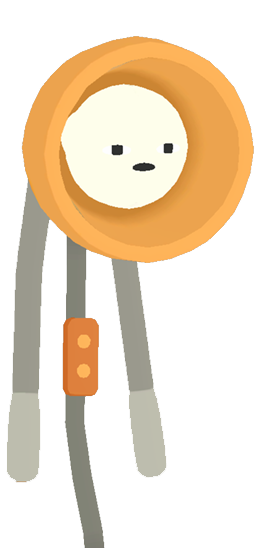 Lindo
Lindo
君も猫ですか?
Kimi mo nekodesu ka?
Are you a cat too?
Tip: <kimi> = you. While it is not common to use personal pronouns in Japanese, it is still admissible in some cases. <mo> = particle to say "also / too" <ka> = particle to place at the end of a sentence to make a question.
-
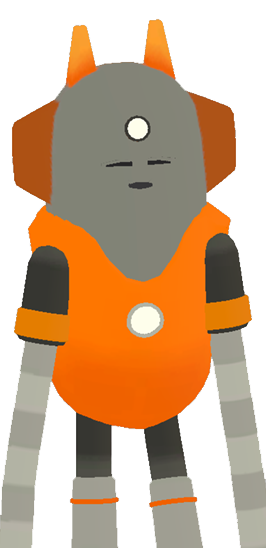 PX296
PX296
いいえ、ロボットですよ
Īe, robottodesu yo
No, I am a robot
Tip: <kuma> = bear <yo> = particle to place at the end of a sentence to reinforce your statement and convey a nunce of correction. Like "it is not like that!"
-
Lindo
お名前は?
Onamae wa?
What is your name?
Tip: Literally: "your name?"
-
PX296
ピー・エックス・296号です
Pī ekkusu 296 desu
It is PX296
Tip: <ekkusu> = X (the English alphabet is pronounced in Japanese in a slightly different way) <gō> = number (suffix to place after special series of numbers like cyborgs, robots, probes)