Korean for English speakers Clothes · Lesson 2
Counting units in Korean
Ask prices in Korean — 이 청바지 얼마예요? (How much are these jeans?) — and respond 잠시만요 (one moment).
Conversation
-
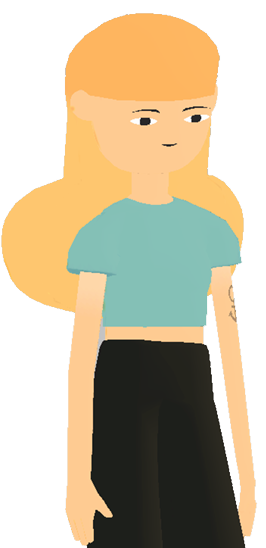 Yennifer
여기요~ 이 청바지 얼마예요?
Yeogiyo~ I cheongbaji eolmayeyo?
Excuse me! How much are these jeans?
Tip: <여기요> = formal way to say "Excuse me" when we want to get someone's attention (Literally, "Over here") <이> = this (demonstrative, when indicating an object that the speaker has or is close to) <청바지> = jean <N 얼마예요?> = How much is N?
-
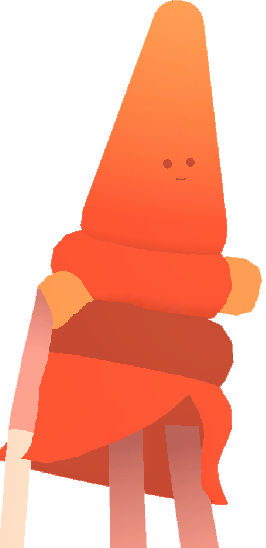 Shelladonna
잠시만요, 고객님~
Jamsimanyo, gogaengnim~
Wait a moment, please, Miss.
Tip: <잠시만요> = "Wait a moment, please" <고객님> = an honorific way of calling customers (고객), usually used by staff members in commercial places
-
Shelladonna
구만 구천 원입니다. 신상품이에요.
Guman gucheon wonimnida. Sinsangpumieyo.
It's ninety-nine thousand won. It's a new product.
Tip: <구만 구천> = ninty nine thousand <입니다> = verb "to be" (very formal version of 이에요/예요) <신상품> = new product
-
Yennifer
아, 그래요? 그럼 이 바지 한 벌 주세요.
A, geuraeyo? Geureom i baji han beol juseyo.
Oh, yeah? Then, please give me a pair of these pants.
Tip: <아, 그래요?> = formal interjection to chime in like "Oh, really?" <그럼> = then <바지> = pants <한> = "one" in adjective form (native korean number counting) <벌> = counting unit for big and heavy clothes (like pants or coats) <주세요> = "Please" (Literally, "Give (me)")