
Verbs II: Past Tense and まだ
Good news: the polite past is the easiest conjugation in Japanese — swap ます for ました and you're done. In this chapter you'll talk about yesterday and last week, and answer the all-important question "have you done it yet?" with もう and まだ.
The easiest conjugation you'll ever learn
In the last chapter you did the hard part: finding a verb's ます-stem. This chapter is the reward. To put any polite verb in the past, swap ます for ました. That's it — no exceptions, no irregular verbs, no sound changes. Even Japanese's two genuinely irregular verbs behave: します (do) becomes しました, and 来ます (come) becomes 来ました.
The negative past is just as mechanical: take ません and add でした — the same でした you already know from 雨でした. Four forms, one stem, zero surprises.
Listen: past tense at the office
Bob and Rose talk about what already happened — ました and ませんでした live. Tap ► to listen.
 Bob
Bobこの書類は誰にもらいましたか?
kono shorui wa dare ni moraimashita ka?
Who did you receive this document from?
 Rose
Rose店長にもらいました
tenchō ni moraimashita
I received it from the manager
Bobどうしてローズさんだけにあげましたか?
dōshite rōzu san dake ni agemashita ka?
Why were you, Rose, the only one who received it?
Rose昨日遅くまで残業しましたから
kinō osoku made zangyō shimashita kara
Because I worked overtime until very late yesterday
Listen: not yet
まだ in action — the natural way to say something has not happened yet.
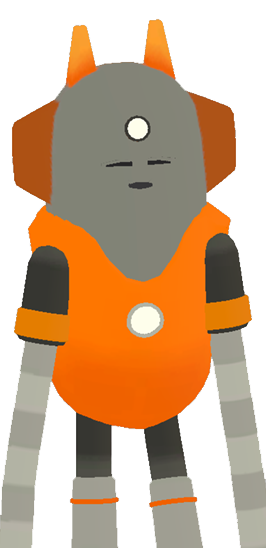 PX296
PX296メールはもう送りましたか?
mēru wa mō okurimashita ka?
Have you already sent the email?
Bobいいえ、まだです
īe, mada desu
No, not yet
PX296へえ?まだですか?
hē? mada desu ka?
Eh? No yet?
PX296時間がほとんどありませんよ
jikan ga hotondo arimasen yo
There is almost no time left
ました — the polite past
Take the ます form, remove ます, add ました (mashita). The result covers every English past at once: 働きました is "worked", "did work" and "have worked" alike.
Past sentences usually open with a time word that sets the scene:
- 昨日 (kinō) — yesterday
- 先週 (senshū) — last week
- さっき (sakki) — just now, a moment ago
Relative time words like these stand alone at the start of the sentence — no に particle needed.
昨日、部屋を片付けました。
kinō, heya o katazukemashita.
I tidied my room yesterday.
ます → ました is the only change from 片付けます — the rest of the sentence is untouched.
先週、海で泳ぎました。
senshū, umi de oyogimashita.
I swam in the sea last week.
さっき、メールを送りました。
sakki, mēru o okurimashita.
I sent the email just now.
さっき is perfect for things you finished only minutes ago.
ませんでした — didn't
For "didn't", take the polite negative ません and add でした: 泳ぎません (don't swim) → 泳ぎませんでした (didn't swim). It looks long, but it's two pieces you already own — ません + でした — and nothing inside the verb changes.
昨日は働きませんでした。
kinō wa hatarakimasen deshita.
I didn't work yesterday.
は after 昨日 adds light contrast: yesterday, unlike other days, I didn't work.
電気を消しませんでした。
denki o keshimasen deshita.
I didn't switch off the light.
先週は走りませんでした。
senshū wa hashirimasen deshita.
I didn't run last week.
The four-cell polite verb table
Here is every polite form a JLPT N5 verb can take, using 待ちます (to wait):
| Non-past | Past | |
|---|---|---|
| Affirmative | 待ちます | 待ちました |
| Negative | 待ちません | 待ちませんでした |
Compare it with the です table you met earlier in this guide — the layout is identical. Non-past covers both present and future ("I wait" / "I will wait"), so these four cells really are the whole polite system. Learn a verb's ます form and the other three come free.
もう and まだ — already and not yet
もう with a past verb means "already": もう送りました — I've already sent it. Questions of the shape もう〜ましたか ("have you … yet?") are everywhere in daily life, and N5 gives you two ways to say "not yet":
- いいえ、まだです。 — a complete, polite answer on its own: "No, not yet."
- まだ + negative non-past for things that still haven't happened: バスはまだ来ません。 — the bus still hasn't come.
One trap to avoid: don't answer with まだ〜ませんでした. The ませんでした form closes the case — "I didn't, full stop" — while まだ keeps it open. (The full form まだ〜ていません arrives with the て-form later in the guide.)
もう手を洗いましたか。
mō te o araimashita ka.
Have you washed your hands yet?
はい、もう洗いました。
hai, mō araimashita.
Yes, I've already washed them.
いいえ、まだです。
iie, mada desu.
No, not yet.
まだです works as a complete answer for any "not yet" situation — no verb needed.
バスはまだ来ません。
basu wa mada kimasen.
The bus still hasn't come.
まだ + negative non-past: it hasn't happened, and we're still waiting.
Chapter vocabulary
Sixteen more verbs from the game — every one of them takes ました and ませんでした in exactly the same way.
Tap ► to hear the native audio from the game, or tap a word to open its dictionary entry.
「しました」 — the workplace "done"
Ask a colleague in a Japanese office 「メールを送りましたか。」 and the reply is often a crisp 「はい、送りました。」 — or simply 「しました。」, "(I) did (it)." Because Japanese happily drops subjects and objects, a bare past-tense verb is a complete, polite report.
しました is the past of します (to do), so it pairs with the many noun + します verbs you'll keep meeting: 電話しました (I phoned), 掃除しました (I cleaned). Japanese workplaces put real value on reporting finished and unfinished work clearly, so しました and its honest partner まだです do a surprising amount of professional heavy lifting.
Test yourself
Seven questions on the past tense, もう and まだ.
7 quick questions on this chapter.
Your score
Common questions
Quick answers about this chapter's grammar.
Are there irregular past tense verbs in polite Japanese?
No — and that's the headline of this chapter. Every verb without exception forms its past as stem + ました and its negative past as stem + ませんでした, even the two irregular verbs します (→ しました) and きます (→ きました). The only real work is finding the ます-stem in the first place, which is chapter 10's job.
Why can't I say まだ食べませんでした for "I haven't eaten yet"?
Because ませんでした describes a closed past period — "I didn't eat, and that's the end of it" — while "not yet" keeps the door open: you still might. At N5, answer もう〜ましたか questions with いいえ、まだです。 Later you'll learn the full form まだ食べていません, which uses the て-form.
Do time words like きのう (yesterday) need a particle?
Relative time words — きのう (yesterday), せんしゅう (last week), さっき (just now), あした (tomorrow) — take no particle and usually sit at the start of the sentence. Specific clock and calendar times do take に: 三時に (at three o'clock). Tense lives only in the verb ending, so there's no "-ed" to add anywhere else.
What's the difference between もう and まだ?
もう means "already" with a past verb (もう食べました — I've already eaten) and "no longer" with a negative (もう食べません — I'm not eating any more). まだ means "still" or "not yet": まだです (not yet), バスはまだ来ません (the bus still hasn't come). Think of them as mirror images — もう closes a topic, まだ keeps it open.
Want more practice? Browse all free Japanese lessons or look words up in the Japanese dictionary.