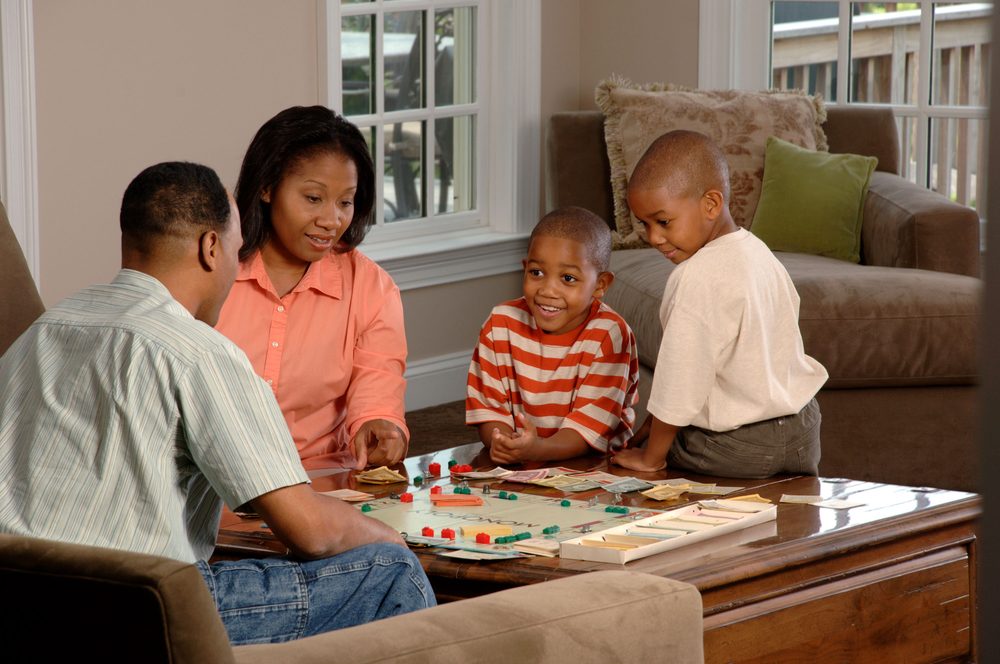
Photo: Bill Branson, National Cancer Institute / Wikimedia Commons (Public domain)
A homeschool foreign language elective does not have to mean another workbook a reluctant kid drags their feet through. It just needs to build real vocabulary, listening or speaking skills in a way that gets logged for a transcript, and the format is almost entirely up to the family. Conversation practice, subtitled shows, cooking projects, pen pals and language learning games all count, and the ones kids stick with tend to be the ones that felt like a choice rather than an assignment.
Short answer: The electives kids actually keep doing are the ones that swap a workbook for something they already enjoy, a show, a game, a recipe, a conversation, while still building real vocabulary. Log the hours and a short description the same way you would for any other elective, typically 60 to 90 hours for a half credit.
Plenty of homeschool parents assign a foreign language elective the same way a school would, with a set textbook, a chapter a week, and a quiz at the end. For a highly motivated kid this works fine. For a kid who already resists sitting still for their core subjects, adding a rigid language workbook on top rarely produces the outcome anyone hoped for. It usually produces avoidance.
An elective, by definition, is meant to be chosen rather than required in the same way a core credit is. That flexibility is the whole point, and it applies just as much to format as it does to subject. A kid who would never open a grammar workbook voluntarily might happily sit through a language learning game for twenty minutes, watch a subtitled show they already love, or write a message to a pen pal, and all three of those build the same underlying skills a workbook chapter would, just through a door the kid actually wants to walk through.
A weekly video call with a native speaker, arranged through a language exchange platform or a homeschool co-op, gives a kid real back-and-forth practice. It works especially well for kids who are more talkers than readers.
Watching something a kid already wants to watch, just with subtitles and original audio, builds listening comprehension without feeling like study time. It works best paired with an activity that forces active recall, since watching alone tends to stay passive.
Reading a recipe, learning ingredient names, and following instructions in the target language turns a kitchen afternoon into genuine vocabulary practice, and it produces something tangible at the end, which many kids find more rewarding than a worksheet.
Writing short messages to a real person, whether through a school-organised pen pal program or a supervised language exchange app, gives immediate purpose to vocabulary that would otherwise feel abstract.
Games built around native audio and spaced repetition let a kid learn vocabulary through play rather than drills, and because the correction happens automatically, a parent does not need to know the language themselves to supervise it. Noun Town teaches words in a 3D world tied to the object or scene they describe, which suits kids who learn better by doing than by memorising lists.
Learning the lyrics to a few songs, even imperfectly, builds pronunciation and rhythm in a way that feels nothing like schoolwork. Many kids will happily repeat a song a dozen times without complaint, which is more repetition than most workbooks manage to extract voluntarily.
A project where a kid researches a city, plans a route, and writes a simple itinerary using target-language vocabulary combines geography, planning skills and language practice into one activity that feels more like a game than an assignment.
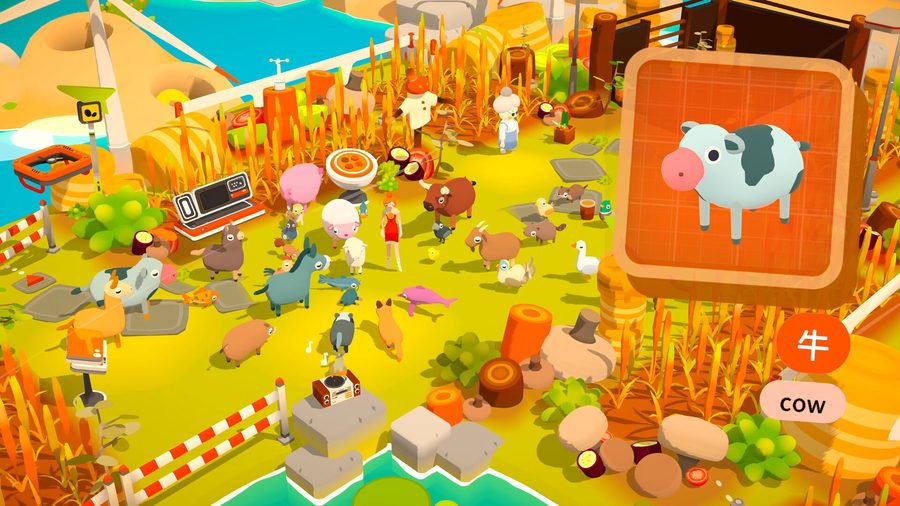
Screenshot from the Noun Town Steam store page, showing vocabulary taught through an object in the game world
Logging a game-based elective works the same way as logging any other activity: track the hours, note what was covered or what level was reached, and write a short course description for the transcript. Something like "conversational Spanish vocabulary and listening practice through interactive gameplay, 45 hours" is enough detail for most umbrella schools and colleges, since what they are checking for is consistency and evidence of engagement, not the specific brand of curriculum.
An elective generally needs fewer hours than a full credit course, often somewhere around 60 to 90 hours for a half credit, though this varies by state and by the umbrella school or diploma program a family uses. Because electives are usually recorded as pass or fail rather than graded in detail, the bar is lower than for a core subject, which is part of why they work well as a lower-pressure way to build a language habit that might later grow into a full credit.
The failure mode for most electives is not a bad first week, it is week four, when the novelty wears off and the activity starts competing with everything else on a kid's schedule. A few things reliably help. Keeping sessions short, fifteen to twenty five minutes rather than long blocks, keeps the activity from becoming a chore. Rotating between two or three of the formats above, rather than committing to just one, prevents any single activity from getting stale. And treating the elective as genuinely optional in format, even if the time commitment is fixed, keeps the sense of choice that made it appealing in the first place.
Organisations like the American Council on the Teaching of Foreign Languages and cultural institutes such as the Goethe-Institut and the British Council publish free resources, including songs, short videos and cultural activities, that can slot directly into an elective built around exactly this kind of variety.
Looking for a language elective your kid will actually ask to do?
Try Noun Town on SteamAnything that builds vocabulary, listening, speaking or cultural understanding in a target language can count, as long as it is documented with hours and a brief description. This can include conversation practice, immersion through film or music, a game-based program, or a project-based activity like planning a trip in the target language, not just a traditional workbook course.
Let the child pick the format rather than assigning a fixed textbook. Kids who resist a rigid grammar workbook often enjoy the same language through a different door, such as a video game, a favourite show with subtitles, or cooking a dish from a country where the language is spoken. The language content stays the same, but the delivery matches what the kid already enjoys.
Yes. A game that teaches vocabulary and listening skills can be logged as an elective the same way a club or an online course would be, by tracking hours played and progress made. Many families use a game as the entry point and add a light writing or conversation component later once the child is engaged.
An elective generally needs fewer hours than a full credit course, often somewhere between 60 and 90 hours for a half credit, though requirements vary by state and umbrella school. Because electives are usually pass or fail rather than graded in detail, consistent logged time matters more than intensity.
This is common with any single-format elective, which is why many families rotate between two or three activities rather than committing to one. A week that mixes a short game session with an episode of a subtitled show tends to hold attention longer than five days of the same worksheet.
Yes, a well-documented elective shows initiative and consistency, which colleges generally view favourably, especially when it complements a core language credit rather than replacing it entirely. A short course description and a note on what was accomplished is usually enough.
It builds listening comprehension and exposure to natural speech rhythm, which are genuinely useful skills, though it works best paired with active vocabulary practice rather than used alone, since passive watching does not force recall the way an app, game or conversation does.
A language learning app or game is usually the lowest-effort starting point, since the structure and pacing are already built in. A parent just needs to set up an account and a regular time slot, without designing lessons or sourcing materials.
Most homeschool electives are logged as pass or fail based on completed hours and demonstrated engagement rather than given a letter grade, though some families choose to grade based on progress within an app or game if it provides clear proficiency milestones.