
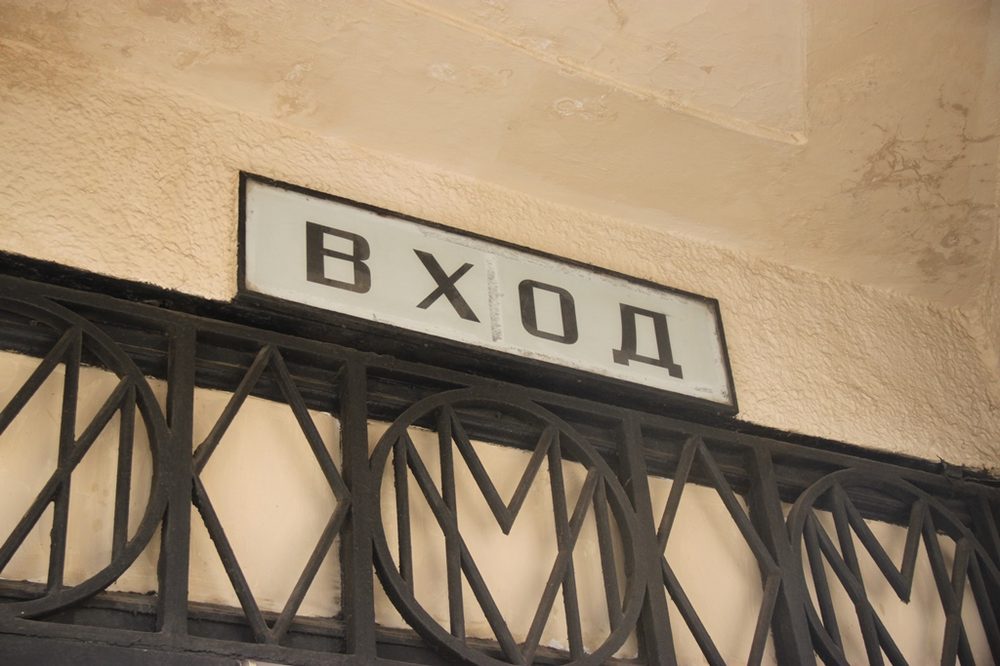
Photo: Andrey Filippov / Wikimedia Commons (CC BY 2.0)
Ask a handful of language teachers which languages take English speakers the longest to learn, and Russian comes up almost every time. Not because it is exotic or rare, but because two specific features of its grammar, a six case system and a verb aspect system, take real time to absorb no matter how motivated the learner. The US Foreign Service Institute, which trains American diplomats, puts Russian in its "hard languages" category at around 1,100 class hours, nearly double what French or Spanish require. That number sounds discouraging out of context, but it breaks down into a manageable weekly plan once you know what you are actually working toward.
Short answer: Russian is an FSI Category III language, in the "hard" group for English speakers. Reaching professional working proficiency takes roughly 1,100 class hours, about 44 weeks of full-time study. At thirty minutes a day, expect two to three years to reach a comfortable conversational level (CEFR B1 to B2).
Russian's difficulty rating has almost nothing to do with the Cyrillic alphabet, despite that being most beginners' first worry. Cyrillic has 33 letters, several of which already look and sound close to Latin ones, and most learners can read it comfortably within a week or two of dedicated practice. The real time cost sits in the grammar underneath the words.
Russian uses a six case system, meaning nouns, adjectives and pronouns change their endings depending on their grammatical role in a sentence. The word for "book" looks different depending on whether it is the subject, the direct object, or the object of certain prepositions, and every noun follows this pattern. English lost almost all of its case endings centuries ago, so this is a genuinely new way of thinking about sentence structure for most English speakers, not just new vocabulary to memorise.
Layered on top of that is verbal aspect, a distinction between whether an action is viewed as completed or ongoing, expressed through entirely different verb forms rather than a tense marker. English gets close with phrases like "I was reading" versus "I read," but Russian bakes this distinction into nearly every verb pair, and choosing the wrong aspect can change the meaning of a sentence in ways a dictionary translation will not warn you about. These two systems, not the alphabet, are why Russian sits in the FSI's harder tier alongside languages like Polish, Finnish and Turkish.
The Common European Framework of Reference for Languages (CEFR) gives a general scale for describing progress that applies across languages, from A1 at the beginner end to C2 at near-native mastery. Cambridge English publishes guided learning hour estimates for each level based on classroom instruction:
| CEFR level | Hours needed (from zero) | What you can do |
|---|---|---|
| A1 | 60 to 80 hours | Basic greetings, numbers, simple introductions |
| A2 | 180 to 200 hours | Everyday exchanges, simple past and future forms |
| B1 | 350 to 400 hours | Comfortable conversation on familiar topics |
| B2 | 500 to 600 hours | Follow native-speed speech, discuss opinions |
| C1 | 700 to 800 hours | Near-fluent, close to professional working proficiency |
| C2 | 1,000 to 1,200 hours | Native-like mastery |
These are general benchmarks, not Russian-specific ones, and that gap matters. The FSI's own Russian figure, 1,100 hours to reach professional proficiency, sits noticeably past the generic C1 range above. That extra distance is exactly the tax the case and aspect systems impose, and it is worth planning around rather than being surprised by six months in.
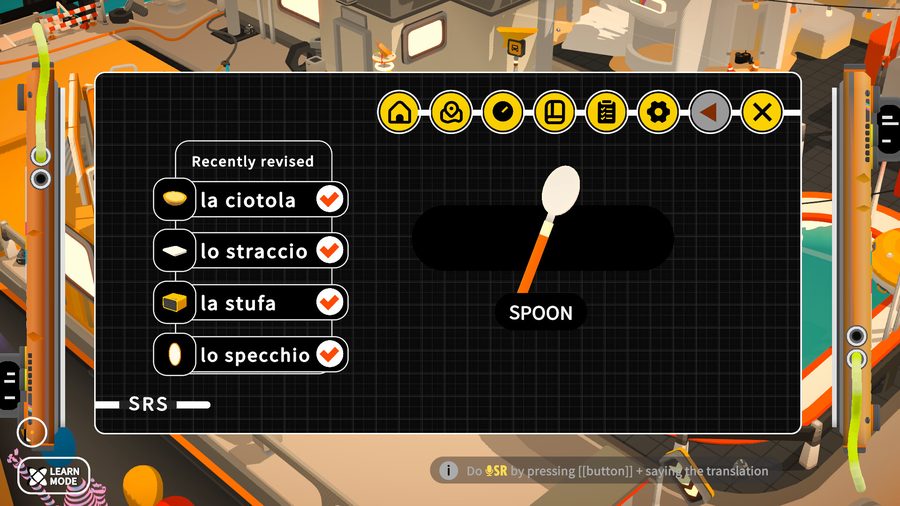
Screenshot from the Noun Town Steam store page, showing the spaced repetition review screen
Full immersion, living somewhere Russian is spoken every day, remains the fastest route on the calendar. Learners studying 30 or more hours a week through immersion or an FSI-style intensive course typically reach a solid B1 in three to four months. That pace is not available to most people balancing a job, studies or family, though, and trying to force it usually just produces burnout rather than faster progress.
The realistic alternative is consistent, self-paced daily study. Thirty to sixty minutes a day sounds modest next to a full immersion schedule, but it compounds. A learner who studies half an hour daily for two years puts in roughly 180 to 360 hours, depending on consistency, which lines up with a solid A2 to B1 range on the table above. The gap between the two approaches is calendar time, not final destination. Both paths can get you to the same fluency level; one just takes longer to walk.
Weekly evening classes sit somewhere in between and often disappoint learners precisely because they feel structured but deliver relatively few actual contact hours, usually two to three a week. Over a year that is only 100 to 150 hours, well short of even A2. If a weekly class is your only structured input, pairing it with daily independent practice, vocabulary review or listening, makes a real difference to how fast the class hours actually convert into ability.
Given how much of Russian's difficulty sits in grammar rather than vocabulary, the order you tackle things in matters more than it does for an easier language. A plan that front-loads grammar terminology before building any working vocabulary tends to stall learners early, since there is nothing concrete to hang the rules onto yet.
You can read our full breakdown of the specific hurdles in our companion piece on whether Russian is hard to learn, and a more general set of starting steps in our guide on where to actually start learning Russian. Building the noun base first is also the whole premise behind our language learning game, which pairs Russian nouns with native speaker audio in a 3D world before layering grammar on top, rather than the other way around.
"Fluent" gets used loosely, and for a language like Russian, being precise about your actual target changes the timeline enormously. Conversational ability, holding a natural everyday conversation without constantly reaching for a translator, is a B1 to B2 goal, realistically two to three years away for someone studying half an hour a day.
Professional working proficiency, the FSI's own benchmark, sits at that 1,100 hour mark and is a genuinely different, longer project, mostly relevant if you need Russian for work rather than travel or personal interest. Native-like mastery is further still, and honestly is not a goal most learners need or even want.
Picking a defined target level before you start, rather than an open-ended "fluent," makes it much easier to recognise progress along the way. Russian rewards patience more than most languages do, and learners who track hours against real benchmarks tend to stick with it longer than those chasing a vague, moving goalpost.
Ready to start building your Russian vocabulary the noun-first way?
Try Noun Town on SteamReaching a basic A2 level, enough to handle simple everyday exchanges, takes around 180 to 200 guided study hours. A comfortable conversational level (CEFR B1) takes roughly 350 to 400 hours.
Yes, by the US Foreign Service Institute's own ranking. Russian sits in Category III, the "hard languages" group, at roughly 1,100 class hours. French, Spanish and Italian sit in Category I at 600 to 750 hours, less than half as much.
With intensive study, 25 to 30 hours a week, you can reach a solid A2 to low B1 level in six months. Full conversational fluency in that timeframe is not realistic for most learners studying alongside work or school.
Thirty to sixty minutes of daily, consistent practice tends to beat occasional two or three hour sessions, mainly because spaced repetition of vocabulary and grammar patterns needs regular spacing to actually work.
No. Most learners can read Cyrillic reasonably fluently within one to two weeks of focused practice, since it only has 33 letters and several already look and sound close to their Latin equivalents. The real time investment in Russian is grammar, not the alphabet.
Two features drive most of the difficulty: a six case system that changes noun and adjective endings depending on their role in a sentence, and a verb aspect system that marks whether an action is completed or ongoing, which has no direct English equivalent.
No, according to the FSI's own hour estimates. Chinese and Japanese sit in Category IV at around 2,200 hours, roughly double Russian's Category III estimate of 1,100 hours, mainly because of their writing systems.
Using general CEFR benchmarks, C1 typically needs around 700 to 800 guided hours from zero. Russian's FSI-specific estimate of 1,100 hours for professional proficiency lands somewhat beyond that, reflecting the extra time the case and aspect systems demand.
Living somewhere Russian is spoken daily is the fastest route by total calendar time, but it is not realistic for most learners. Consistent daily practice with a structured tool remains the most achievable path for people studying around a job or school.
No. Many learners build working vocabulary and basic sentence patterns first, then layer the case system on top once they already have a feel for how Russian sentences are put together, rather than trying to memorise all six cases up front.