Japanese for English speakers Hospital · Lesson 1

Symptoms 3

Two ways to say 'headache' in Japanese — 頭が痛いです (atama ga itai desu, casual) and 頭痛があります (zutsū ga arimasu, slightly formal). Plus negation with ありません.

Conversation

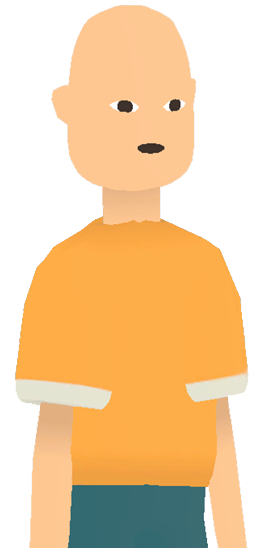
  1. Bolin Bolin

    うーん、風邪ですね

    ūn, kaze desu ne

    Uhm, it's a cold

  2. Bolin Bolin

    頭も痛いですか?

    atama mo itai desu ka?

    Does you head hurt too?

    Tip: <atama> = head

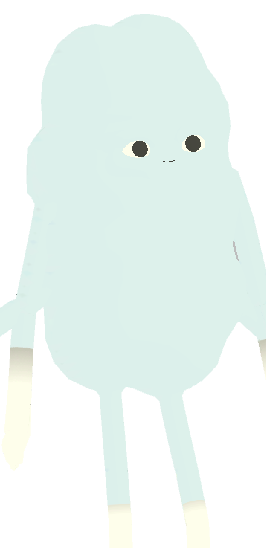
  3. Muri Muri

    いいえ、頭痛がありません

    īe, zutsū ga arimasen

    No, I don't have a headache

    Tip: <zutsū> = headache. You can either say <atama ga itai desu> or <zutsū ga arimasu> The second is a little more formal, but not too much more

  4. Bolin Bolin

    そうですか?

    sō desu ka?

    Oh, is that so?

Common questions

Quick answers about this lesson's grammar and vocabulary.

What's the difference between 頭が痛い and 頭痛がある?

Both mean 'I have a headache'. The first describes pain (痛い), the second uses the noun 'headache' (頭痛). The second is slightly more formal.

How do you say body parts hurt in Japanese?

Body part + が痛いです: 喉が痛い (sore throat), お腹が痛い (stomach ache), 足が痛い (foot hurts).

What's the negative of あります?

ありません — for inanimate things and concepts. For animate things, the negative of います is いません.

Test yourself

Pick the English translation for each line from this lesson. Wrong answers are pulled from other Japanese lessons.

4 quick questions on what you just heard.

Next lesson in Hospital Symptoms 4 →