Korean for English speakers Street · Lesson 3
Asking What are you doing here?
Subject omission in Korean — 이게 뭐지? (What is this?) — Korean often omits known subjects.
Conversation
-
 Pishi
Pishi
어? 이게 뭐지?
Eo? ige mwoji?
Oh? What is this?
Tip: <어?> = interjection to express surprise with curiosity <이게 뭐지?> = expression to say "What is this?" (saying to oneself)
-
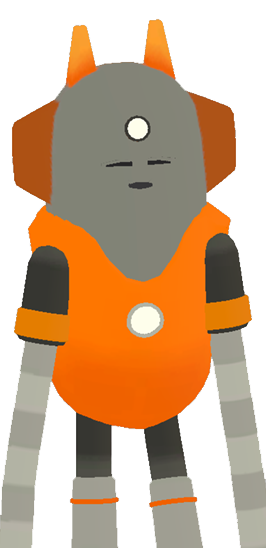 PX296
PX296
안녕하세요. 반갑습니다. 저는 로봇이에요.
Annyeonghaseyo. Bangapseumnida. Jeoneun robosieyo.
Hello. Nice to meet you. I am a robot.
Tip: <안녕하세요> = formal way to say "Hello" <반갑습니다> = very formal way to say "Nice to meet you" <저는 N이에요/예요> = "I'm N" <로봇> = robot
-
Pishi
우와~ 여기에서 뭐 해요?
Uwa~ Yeogieseo mwo haeyo?
Wow! What are you doing here?
Tip: <우와~> = "Wow!" <여기에서> = "here" with particle -에서 for a location where an action is taking place <뭐> = what <해요> = verb "to do" (in present tense) [Note] In Korean, words like 'you' or 'your' are omitted in sentences, when it's clear that in this situation "I'm talking to you".
-
PX296
기다려요.
Gidaryeoyo.
I'm waiting.
Tip: <친구> = friend <기다려요> = verb "to wait" (in present tense)