Japanese for English speakers Clothes · Lesson 6

Clothes patterns

Pattern vocabulary for clothes — ボーダー (bōdā, horizontal stripes) and ストライプ (sutoraipu, vertical stripes). Note how the meanings differ from English. Plus どれ for 'which one'.

Conversation

  1. Lindo Lindo

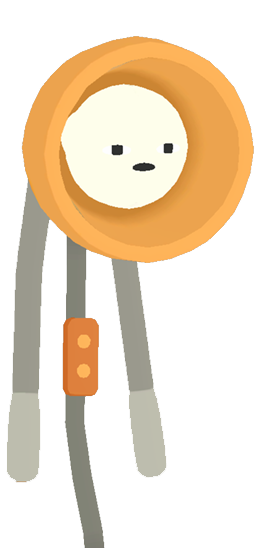
    すみません、Tシャツが欲しいですが

    Sumimasen, T shatsu ga hoshāī desu ga

    Excuse me, I need a t-shirt

    Tip: <T shatsu> = T-shirt <Noun + ga + hoshī> = I want/need + noun Note: <Hoshī> is an "i" adjective

  2. Rose Rose

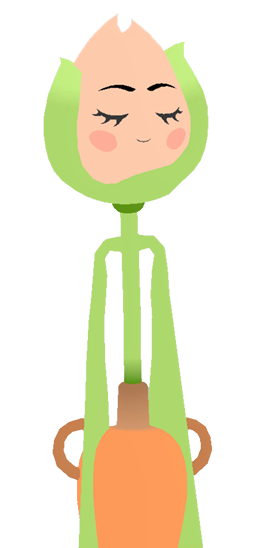
    ボーダーとストライプがありますが、

    bōdā to sutoraipu ga arimasu ga,

    Horizontal or vertical stripes?

    Tip: <bōdā> = horizontal stripes <sutoraipu> = vertical stripes

  3. Rose Rose

    どれにしますか?

    dore ni shimasu ka?

    Which one do you prefer?

    Tip: <dore> = which one

  4. Lindo Lindo

    ストライプをお願いします

    sutoraipu o onegaishimasu

    Vertical stripes, please

Common questions

Quick answers about this lesson's grammar and vocabulary.

What's the difference between ボーダー and ストライプ in Japanese?

In Japanese, ボーダー refers to horizontal stripes (despite English 'border'), and ストライプ refers to vertical stripes. The English usage doesn't quite match.

What does どれ mean?

'Which one' — used when choosing from three or more options. For two options, use どちら.

What is the T-shirt word in Japanese?

Tシャツ (tī shatsu) — a loanword from English. Plural is the same.

Test yourself

Pick the English translation for each line from this lesson. Wrong answers are pulled from other Japanese lessons.

4 quick questions on what you just heard.

Next lesson in Clothes Broken or not functioning products →