Real Life I: Shopping and Ordering
Walk in, order, ask the price, change your mind, pay. This chapter is a practical phrasebook for cafes, bakeries and shops — every line is real JLPT N5 Japanese you can use at a till tomorrow.
いらっしゃいませ — and why you don't reply
Step into any shop, cafe or restaurant in Japan and you'll be greeted with an energetic 「いらっしゃいませ!」 (irasshaimase) — "welcome!". Here's the secret that saves every beginner some panic: you are not expected to answer. It isn't a question, just a ritual greeting called out to everyone who walks in. A small nod or a smile is plenty; most Japanese customers say nothing at all.
When you're ready to order or to get a clerk's attention, the magic word is すみません (sumimasen, "excuse me"). And if all else fails, pointing at what you want and saying これをください ("this one, please") will get you fed in any shop in the country.
Listen: ordering drinks
The complete cafe-ordering exchange — いらっしゃいませ to をください, with native audio for every line.
 Yennifer
コーヒーと麦茶をお願いします
Kōhī to mugi cha o onegaishimasu
A coffee and a barley tea, please
 Kyle
Kyleコーヒーはアイスでよろしいですか?
Kōhī wa aisu de yoroshī desu ka?
Would you like an iced coffee?
Yenniferはい、アイスでお願いします
Hai, aisu de onegaishimasu
Yes, cold please
Kyleはい、かしこまりました
Hai, kashikomarimashita
Yes, certainly
Listen: bargaining at the clothes shop
Asking the price and negotiating — real shop Japanese.
 Rose
Roseお客さま、このモデルはいかがですか?
Okyakusama, kono moderu wa ikaga desu ka?
Dear customer, what do you think of this model?
Rose八万円です
Hachi man en desu
It's 80,000 yen
 Magicat
嫌いではありませんが、
Kirai dewa arimasen ga,
It's not that I don't like it,
Magicat値段はちょっと~
Nedan wa chotto...
but the price is a little bit...
Ordering with 〜をください and 〜をおねがいします
To ask for something, name it, mark it with the object particle を (pronounced o), and add ください ("please give me"). Swapping ください for おねがいします ("I request it, please") sounds a touch softer — both are perfectly polite and both are JLPT N5 staples. To order more than one, slip a counter like 一つ/二つ in just before ください.
コーヒーをください。
kōhī o kudasai.
A coffee, please.
サンドイッチとジュースをおねがいします。
sandoicchi to jūsu o onegai shimasu.
A sandwich and a juice, please.
と joins nouns, like "and" — perfect for ordering two things at once.
このケーキを二つください。
kono kēki o futatsu kudasai.
Two of these cakes, please.
The counter (二つ = two items) sits between を and ください.
いくらですか — asking the price
いくら means "how much". Mark the item as the topic with は and finish with ですか — that's the whole pattern. The answer comes back as a number plus 円 (en) — yes, the currency English calls "yen" is pronounced en in Japanese. At the till you'll also hear 全部で ("in total") before the final figure.
すみません、この帽子はいくらですか。
sumimasen, kono bōshi wa ikura desu ka.
Excuse me, how much is this hat?
この靴はいくらですか。
kono kutsu wa ikura desu ka.
How much are these shoes?
全部で八百円です。
zenbu de happyaku-en desu.
Altogether that's 800 yen.
で after 全部 marks the total: "for everything, it's…".
Counting money: from 100 yen to 10,000 yen
Prices live in the hundreds and thousands, so you need 百 (100) and 千 (1,000). Most combinations are regular — just say the digit first: 二百 (200), 五千 (5,000). But a few combinations shift their sounds, and those are exactly the ones the JLPT loves to test:
| Amount | Japanese | Romaji | Watch out |
|---|---|---|---|
| 100 | 百円 | hyaku-en | no いち in front |
| 300 | 三百円 | sanbyaku-en | h → b |
| 600 | 六百円 | roppyaku-en | h → pp |
| 800 | 八百円 | happyaku-en | h → pp |
| 1,000 | 千円 | sen-en | no いち in front |
| 3,000 | 三千円 | sanzen-en | s → z |
| 8,000 | 八千円 | hassen-en | s → ss |
| 10,000 | 一万円 | ichiman-en | 10,000 DOES take いち |
Combine freely: 1,500 yen is 千五百円 (sen gohyaku-en). When in doubt at the till, the display shows the number — but understanding it by ear is a wonderful feeling, and these sound changes are pure N5 exam material.
〜はありますか — do you have…?
あります means "there is / it exists" (for things). Asked as 〜はありますか in a shop, it means "do you have…?" — the key phrase for hunting down a different size or colour. Add の after an adjective to mean "one": 赤いの = "a red one". The clerk will answer はい、あります ("yes, we do") or すみません、ありません ("sorry, we don't").
すみません、Tシャツはありますか。
sumimasen, tīshatsu wa arimasu ka.
Excuse me, do you have T-shirts?
もっと大きいサイズはありますか。
motto ōkii saizu wa arimasu ka.
Do you have a bigger size?
もっと = "more". Swap in 小さい (chiisai) for "smaller".
赤いのはありますか。
akai no wa arimasu ka.
Do you have a red one?
の stands in for the noun you've already mentioned — no need to repeat it.
The polite shopper's toolkit
Seven lines that handle almost everything else at the counter — getting attention, refusing politely, changing your mind, even a cheeky discount.
すみません。
sumimasen.
Excuse me.
The Swiss-army word: "excuse me", "sorry", and even a light "thank you".
これをおねがいします。
kore o onegai shimasu.
This one, please.
Point and say it — works for anything in the display case.
いいえ、けっこうです。
iie, kekkō desu.
No thank you, I'm fine.
The polite refusal — handy when offered a bag or an extra item.
もうすこし安くなりますか。
mō sukoshi yasuku narimasu ka.
Could it be a little cheaper?
Bargaining is rare in everyday shops — save this for flea markets. The game's clothes shop lets you try it risk-free.
やっぱり、リンゴをください。
yappari, ringo o kudasai.
Actually, I'll have an apple after all.
やっぱり signals you've changed your mind — "on second thought".
帽子を買います。
bōshi o kaimasu.
I'll buy the hat.
買う (kau) = to buy. Its partner is 売る (uru) = to sell.
あの店はパンを売っています。
ano mise wa pan o utte imasu.
That shop sells bread.
売っています — the ています form describes what a shop does as an ongoing state.
More practice in the game
Eight short browser lessons take you on a full shopping crawl — cafe counter, bakery, clothes shop and supermarket till — with native Japanese audio for every line.
Chapter vocabulary
Seventeen things to order, try on or load into your basket — straight from the game's cafe, bakery, supermarket and clothes shop.
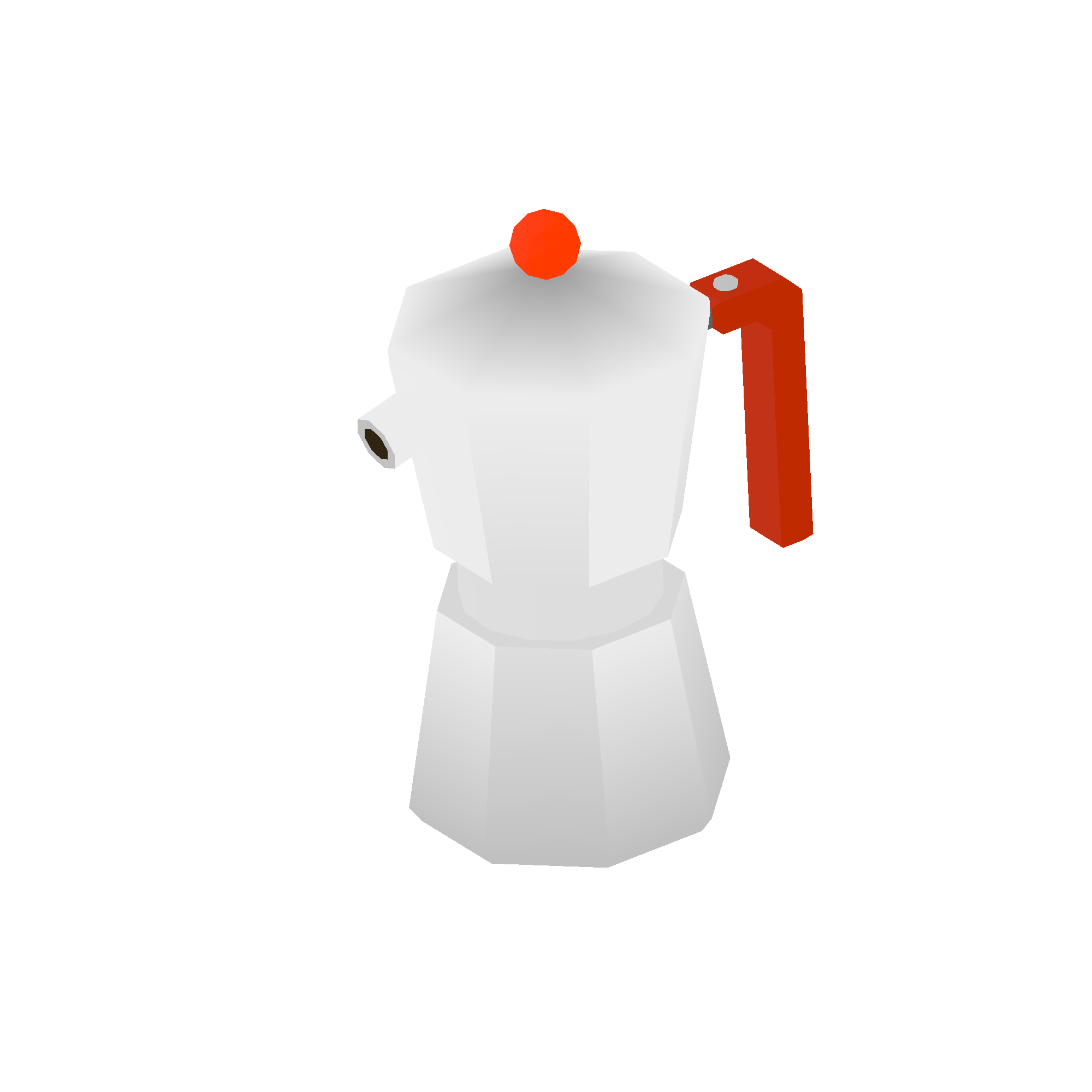



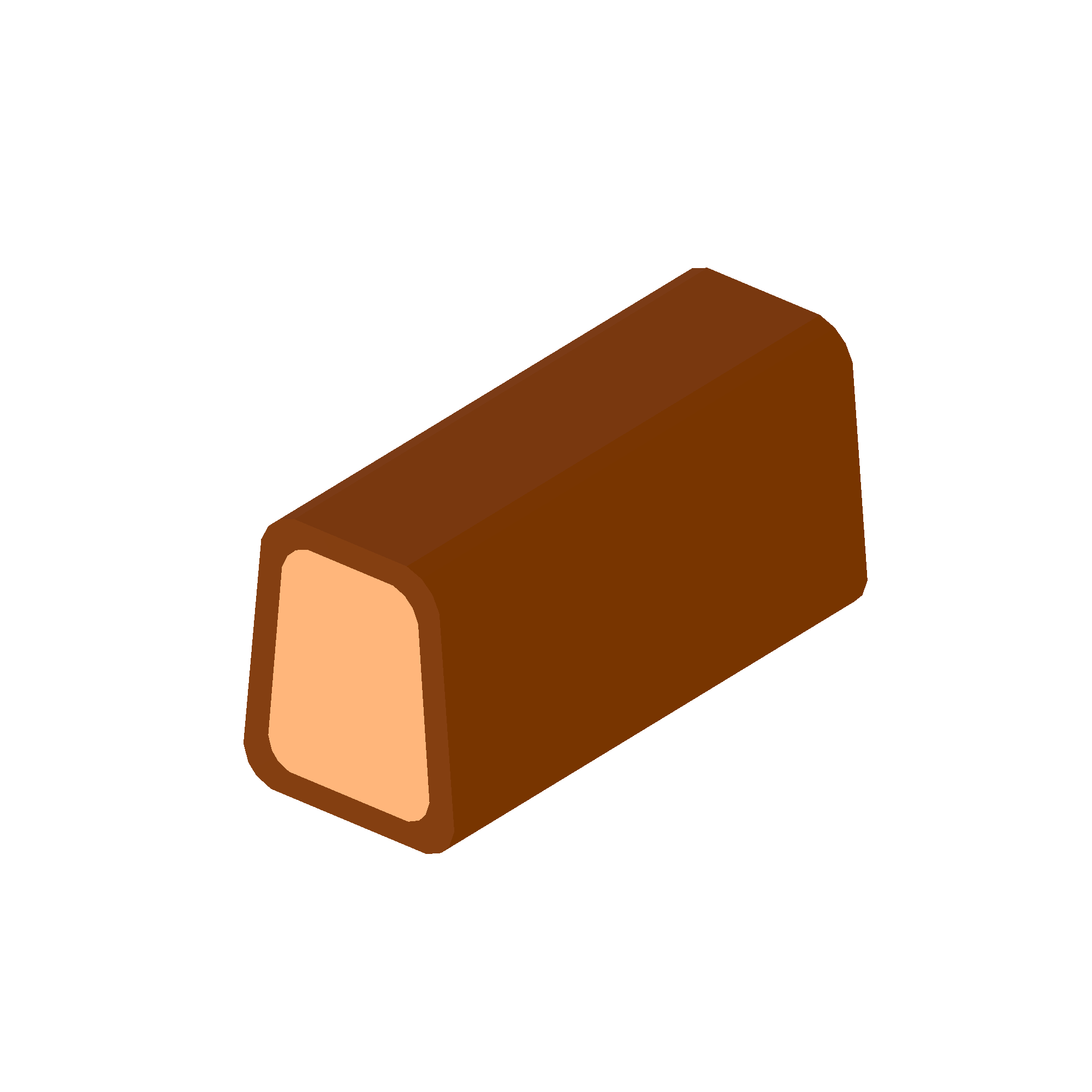










Tap ► to hear the native audio from the game, or tap a word to open its dictionary entry.
No tipping — and the little tray
Two till-side habits surprise most visitors. First, there is no tipping in Japan — not in cafes, not in restaurants, not in taxis. Good service is simply part of the job, and leaving extra money causes genuine confusion; staff have been known to chase customers down the street to return "forgotten" change. Just pay the price on the receipt and say ありがとうございます.
Second, the money tray: nearly every till has a small tray beside the register. Place your cash or card on the tray rather than into the clerk's hand — it keeps the amount visible and the exchange tidy. Your change usually comes back the same way, often presented with both hands and a slight bow. When you spot the tray, you'll know exactly what to do.
Test yourself
Eight questions from the shop floor — greetings, orders and price listening practice.
8 quick questions on this chapter.
Your score
Common questions
Quick answers about this chapter's grammar.
Do I have to reply to いらっしゃいませ?
No — and locals almost never do. It's a one-way ritual greeting called out to every customer, not a question. A nod or smile is fine, or simply browse. When you actually need the staff, open with すみません.
What's the difference between ください and おねがいします?
Both politely request something and both are JLPT N5. 〜をください is a direct "please give me…", while 〜をおねがいします is slightly softer and works in more situations — you can even say おねがいします alone to mean "yes, please" when offered something. In a shop, either is perfectly natural.
Can you haggle in Japanese shops?
Almost never in regular shops — prices are fixed, and asking for a discount at a convenience store would just cause confusion. Flea markets and some electronics retailers are the main exceptions, where a polite もうすこし安くなりますか can work. The game's clothes-shop bargaining lesson lets you practise without embarrassment.
What does けっこうです actually mean?
Literally something like "it is fine/sufficient", which is why it can confuse learners: in reply to an offer it means "no thank you, I'm fine without it". Said with a small hand wave, it's the standard polite refusal. If you want to accept instead, say はい、おねがいします.
Want more practice? Browse all free Japanese lessons or look words up in the Japanese dictionary.